


Musée d'Orsay – Paris's Premier Impressionist Art Museum
Museum
Culture
Culture
Impressionism • Post-Impressionism • 19th-Century Art • Former Railway Station • Seine
Musée d'Orsay – Paris's Premier Impressionist Art Museum
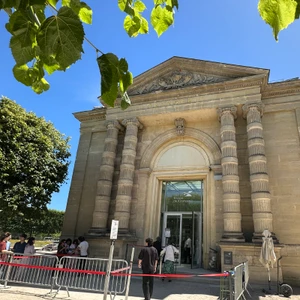
Housed inside the magnificent former Gare d’Orsay on the Left Bank of the Seine, the Musée d’Orsay is one of Paris’s essential art museums and home to the world’s largest collection of Impressionist works. Its galleries explore art from the second half of the 19th century and early 20th century, bringing together masters such as Monet, Degas, Renoir, Manet, Cézanne, Van Gogh and Gauguin. The museum itself is part of the experience, with its soaring station architecture, monumental clocks and spectacular views across Paris.
Explore Musée d'Orsay, Impressionism & 19th-Century Art
Musée d'Orsay •
Musee d'Orsay Paris •
Orsay Museum Paris •
Musée d’Orsay France •
Paris Impressionist museum •
Impressionist museum Paris •
Impressionism Paris •
Impressionist art Paris •
Impressionist paintings Paris •
French Impressionism •
Impressionist masterpieces Paris •
Best Impressionist museum Paris •
World's largest Impressionist collection •
Impressionist collection Paris •
Musée d'Orsay Impressionists •
Orsay Impressionist galleries •
French Impressionist collection •
Monet Paris •
Claude Monet Paris •
Monet Musée d'Orsay •
Monet paintings Paris •
Monet Impressionism Paris •
Degas Paris •
Edgar Degas Paris •
Degas Musée d'Orsay •
Degas dancers Paris •
Degas paintings Paris •
Renoir Paris •
Pierre-Auguste Renoir Paris •
Renoir Musée d'Orsay •
Renoir paintings Paris •
French Impressionist Renoir •
Manet Paris •
Édouard Manet Paris •
Manet Musée d'Orsay •
Manet paintings Paris •
Olympia Manet Paris •
Cézanne Paris •
Paul Cézanne Paris •
Cézanne Musée d'Orsay •
Cézanne paintings Paris •
Post-Impressionism Paris •
Van Gogh Paris •
Vincent van Gogh Paris •
Van Gogh Musée d'Orsay •
Van Gogh paintings Paris •
Van Gogh self portrait Paris •
Gauguin Paris •
Paul Gauguin Paris •
Gauguin Musée d'Orsay •
Gauguin paintings Paris •
Post-Impressionist art Paris •
Berthe Morisot Paris •
Morisot Musée d'Orsay •
Women Impressionists Paris •
Female Impressionist artists •
Women artists Musée d'Orsay •
Pissarro Paris •
Camille Pissarro Paris •
Sisley Paris •
Alfred Sisley Paris •
French Impressionist painters •
Seurat Paris •
Georges Seurat Paris •
Neo-Impressionism Paris •
Pointillism Paris •
Post-Impressionist museum Paris •
Toulouse-Lautrec Paris •
Henri de Toulouse-Lautrec •
Toulouse-Lautrec Musée d'Orsay •
Belle Époque art Paris •
19th century art Paris •
19th century museum Paris •
French 19th century art •
European 19th century art •
Art 1848 to 1914 Paris •
Early 20th century art Paris •
Turn of the century art Paris •
Fin de siècle Paris •
Belle Époque Paris art •
Modern art beginnings Paris •
Realism Paris •
Realist art Paris •
Symbolism Paris •
Symbolist art Paris •
Academic art Paris •
French sculpture Paris •
19th century sculpture Paris •
Sculpture Musée d'Orsay •
Decorative arts Paris •
Art Nouveau Paris •
Photography Musée d'Orsay •
19th century photography Paris •
Historic photography Paris •
Early photography Paris •
Photography collections Paris •
Gare d'Orsay •
Former Gare d'Orsay •
Orsay railway station •
Historic railway station Paris •
Railway station museum Paris •
Gare d'Orsay 1900 •
1900 Universal Exhibition Paris •
Exposition Universelle 1900 •
Beaux-Arts architecture Paris •
Victor Laloux Paris •
Victor Laloux •
Musée d'Orsay architecture •
Gare d'Orsay architecture •
Historic architecture Paris •
Paris railway architecture •
Musée d'Orsay clock •
Orsay clock Paris •
Iconic clock Musée d'Orsay •
Musée d'Orsay clock window •
Paris clock view •
Musée d'Orsay views •
Orsay views Paris •
Seine views Musée d'Orsay •
Paris rooftops Musée d'Orsay •
Montmartre view Musée d'Orsay •
Musée d'Orsay interior •
Orsay great hall •
Musée d'Orsay nave •
Historic museum interiors Paris •
Paris museum architecture •
Visit Musée d'Orsay •
Musée d'Orsay visit •
Musée d'Orsay tickets •
Orsay tickets Paris •
Book Musée d'Orsay •
Musée d'Orsay opening hours •
Musée d'Orsay practical information •
Orsay museum access •
Musée d'Orsay address •
Plan Musée d'Orsay visit •
Musée d'Orsay exhibitions •
Orsay exhibitions Paris •
Current exhibitions Musée d'Orsay •
Temporary exhibitions Paris •
Paris art exhibitions •
Musée d'Orsay programme •
Orsay events Paris •
Art events Paris •
Museum programme Paris •
Cultural events Paris •
Musée d'Orsay collections •
Orsay permanent collection •
Explore Musée d'Orsay collection •
Paris national art collections •
French national museums •
Musée d'Orsay restaurant •
Orsay Restaurant Paris •
Historic restaurant Musée d'Orsay •
Museum restaurant Paris •
Belle Époque restaurant Paris •
Café Campana •
Café Campana Paris •
Musée d'Orsay café •
Orsay café Paris •
Cafe inside Musée d'Orsay •
Musée d'Orsay terrace •
Orsay terrace Paris •
Museum terrace Paris •
Paris rooftop museum view •
Seine terrace Paris •
Café de la Gare •
Musée d'Orsay dining •
Restaurants Musée d'Orsay •
Cafés Musée d'Orsay •
Lunch Musée d'Orsay •
Paris art museums •
Best art museums Paris •
Famous museums Paris •
Major museums Paris •
Paris cultural attractions •
Left Bank museums Paris •
Rive Gauche museums •
Museums near Seine Paris •
Paris 7 museums •
Art museums Paris 7 •
Musée d'Orsay Paris 7 •
Rue de la Légion d'Honneur •
Quai Anatole France •
Seine Left Bank Paris •
Paris 7 cultural attractions •
Museums near Tuileries •
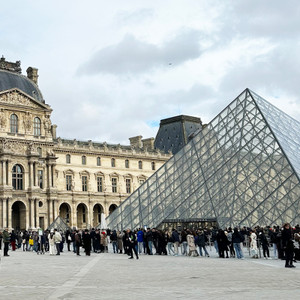
Museums near Louvre •
Musée d'Orsay near Louvre •
Orsay Louvre itinerary •
Paris museum itinerary •
Musée d'Orsay and Louvre •
Louvre to Musée d'Orsay •
Paris art museum day •
Paris art itinerary •
Museum day Paris •
Musée d'Orsay and Orangerie •
Orsay Orangerie itinerary •
Impressionist museums Paris •
Monet museums Paris •
Paris Impressionism itinerary •
Pont Royal Paris •
Passerelle Léopold-Sédar-Senghor •
Bridges near Musée d'Orsay •
Seine walk Musée d'Orsay •
Paris riverside museum walk •
Tuileries near Musée d'Orsay •
Jardin des Tuileries near Orsay •
Saint-Germain near Musée d'Orsay •
Left Bank Paris itinerary •
Paris for art lovers •
Art lovers Paris •
Impressionist art lovers Paris •
Cultural Paris itinerary •
Paris museum guide •
First time Paris museums •
Must see museums Paris •
Essential Paris museums •
Top cultural attractions Paris •
Things to do Paris •
Art history Paris •
French art history •
Impressionism history Paris •
History of Impressionism •
Birth of Impressionism Paris •
1874 Impressionist exhibition •
150 years Impressionism •
Paris Impressionist movement •
French modern painting •
Paris avant-garde history •
Museum architecture Paris •
Beautiful museums Paris •
Historic museums Paris •
Paris architectural landmarks •
Converted buildings Paris •
Art and architecture Paris •
Paris cultural heritage •
French museum heritage •
National museum Paris •
Historic Paris institutions •
Family museums Paris •
Museum visit with children Paris •
Paris family art museum •
Art activities Paris •
Cultural activities Paris •
Guided tours Musée d'Orsay •
Orsay guided tour •
Museum guide Paris •
Art tour Musée d'Orsay •
Impressionist art tour Paris •
Musée d'Orsay audio guide •
Orsay self-guided visit •
Paris museum audio guide •
Explore Impressionism Paris •
Musée d'Orsay free admission •
Free first Sunday Musée d'Orsay •
Paris museum free Sunday •
Free museums Paris first Sunday •
Museum discounts Paris •
TLC Paris Musée d'Orsay •
TLC Paris Impressionism •
TLC Paris art museums •
TLC Paris Paris 7 •
TLC Paris Left Bank •
TLC Paris museums •
TLC Paris art guide •
TLC Paris cultural guide
TLC Paris tip: Don’t rush directly to the Impressionist galleries. The building itself is one of the great pleasures of the visit, so leave time for the vast former station hall and the museum’s monumental clocks. Upstairs, the Impressionist galleries lead naturally toward Café Campana and the clock views over Paris. If a major temporary exhibition is running, booking your museum entry ahead is wise.
Highlights (evergreen)
Impressionist Icons
Monet, Renoir, Degas, Morisot — colour, light & movement in one place.
From Station to Museum
A former Beaux-Arts train station transformed into a cathedral of art.
Clock Windows
Giant clocks framing the Seine, the Louvre & Parisian rooftops.
Art & Gastronomy
Historic restaurant, Café Campana & kiosks: paintings first, pastries after.
TLC Paris Concierge — Musée d’Orsay: where Impressionist light meets industrial elegance on the Seine.
✦ Explore →
✦ Explore →
Impressionism, Post-Impressionism, Monet, Van Gogh, Degas, Renoir & 19th-Century Art
Musée d'Orsay – Paris's Premier Impressionist Art Museum
Set inside a magnificent former railway station beside the Seine, the Musée d'Orsay brings together art from 1848 to 1914 and is one of the essential museums for understanding Impressionism and the birth of modern art. Its collections extend far beyond painting, encompassing sculpture, photography, decorative arts, pastels and architecture, while masterpieces by Monet, Renoir, Degas, Manet, Cézanne, Gauguin and Van Gogh make it a highlight of a first cultural visit to Paris.
Best For
Impressionism, Post-Impressionism, Van Gogh, Monet, Degas, Renoir, sculpture, photography & visitors discovering 19th-century French art
Impressionism, Post-Impressionism, Van Gogh, Monet, Degas, Renoir, sculpture, photography & visitors discovering 19th-century French art
Impressionist Icons
Look for works by Monet, Renoir, Degas, Pissarro, Sisley, Morisot and their contemporaries as Paris and modern life transformed painting
Look for works by Monet, Renoir, Degas, Pissarro, Sisley, Morisot and their contemporaries as Paris and modern life transformed painting
Beyond Impressionism
Continue into Post-Impressionism and other movements through Van Gogh, Gauguin, Cézanne, Seurat, Toulouse-Lautrec, Symbolism, Realism and more
Continue into Post-Impressionism and other movements through Van Gogh, Gauguin, Cézanne, Seurat, Toulouse-Lautrec, Symbolism, Realism and more
More Than Paintings
The museum also holds major collections of sculpture, photography, decorative arts, drawings, pastels and architecture from this transformative period
The museum also holds major collections of sculpture, photography, decorative arts, drawings, pastels and architecture from this transformative period
A Station Turned Museum
The building was created as the Gare d'Orsay for the 1900 Universal Exhibition. Its vast iron-and-glass structure became the Musée d'Orsay, opening as a museum in 1986
The building was created as the Gare d'Orsay for the 1900 Universal Exhibition. Its vast iron-and-glass structure became the Musée d'Orsay, opening as a museum in 1986
The Great Clock
The monumental station clocks remain among Orsay's signatures. From the upper levels, the building itself becomes part of the museum experience
The monumental station clocks remain among Orsay's signatures. From the upper levels, the building itself becomes part of the museum experience
Allow Enough Time
Plan around 2–3 hours for a first visit focused on the highlights, and longer if you want to explore the wider collections or a temporary exhibition
Plan around 2–3 hours for a first visit focused on the highlights, and longer if you want to explore the wider collections or a temporary exhibition
Location
Esplanade Valéry Giscard d'Estaing, 75007 Paris — directly beside the Seine and across the river from the Tuileries Garden
Esplanade Valéry Giscard d'Estaing, 75007 Paris — directly beside the Seine and across the river from the Tuileries Garden
Visitor Highlights
Musée d'Orsay · Musee d'Orsay · Musée d'Orsay Paris · Orsay Museum · Orsay Museum Paris · Impressionist Museum Paris · Impressionism Paris · Impressionist Art Paris · Impressionist Paintings · French Impressionism · Post-Impressionism · Post-Impressionist Art · 19th Century Art · 19th Century Paris · Art 1848 to 1914 · Modern Art History · Monet Paris · Claude Monet · Renoir Paris · Pierre-Auguste Renoir · Degas Paris · Edgar Degas · Van Gogh Paris · Vincent van Gogh · Gauguin Paris · Paul Gauguin · Cézanne Paris · Paul Cézanne · Édouard Manet · Berthe Morisot · Camille Pissarro · Alfred Sisley · Georges Seurat · Toulouse-Lautrec · Realism · Symbolism · French Art · French Painting · Paris Art · Paris Art Museums · Art Museums Paris · Famous Museums Paris · Best Museums Paris · Paris Museum Guide · Paris Art Guide · Orsay Collection · Orsay Paintings · Orsay Sculptures · Sculpture Paris · Photography Museum Paris · Historic Photography · Decorative Arts · Art Nouveau · Architecture Collection · Gare d'Orsay · Former Railway Station Paris · Paris Railway Architecture · 1900 Universal Exhibition · Exposition Universelle 1900 · Musée d'Orsay Clock · Orsay Clock · Great Clock Paris · Seine River · Left Bank Paris · Rive Gauche · Paris 7th Arrondissement · 7th Arrondissement Paris · Tuileries Garden · Jardin des Tuileries · Louvre Museum · Place de la Concorde · Saint-Germain-des-Prés · Solférino · Things to Do Paris 7th · Museums Near the Louvre · Museums Near Saint-Germain · Paris Culture Guide · First Time Paris · Must See Paris · TLC Paris
TLC Paris Concierge note: Don't rush Orsay simply to tick off the famous Impressionists. The former station is part of the experience, and the wider collection shows how radically art changed between 1848 and 1914. For a first visit, allow around 2–3 hours and book through the museum's official ticketing service when possible. Afterwards, cross the Seine toward the Tuileries or continue along the Left Bank toward Saint-Germain-des-Prés.
Musée d’Orsay — Paris’s Beaux-Arts Jewel & Home to Impressionist Masterpieces
At 1 Rue de la Légion d’Honneur, on the Left Bank of the Seine, the Musée d’Orsay invites you into one of Paris’s most atmospheric art experiences.
Once a grand Beaux-Arts railway station, it now houses the world’s finest collection of Impressionist and Post-Impressionist art — spanning the years 1848 to 1914.
Inside, light floods through the glass roof, illuminating the works of Monet, Van Gogh, Degas, Renoir, Cézanne, and Toulouse-Lautrec.
Stand before Monet’s Water Lilies, Van Gogh’s Starry Night Over the Rhône, or Degas’s Little Dancer of Fourteen Years — and feel the quiet electricity that still hums through these canvases.
Every gallery shifts in mood: romantic landscapes, bold color experiments, portraits that seem to breathe.
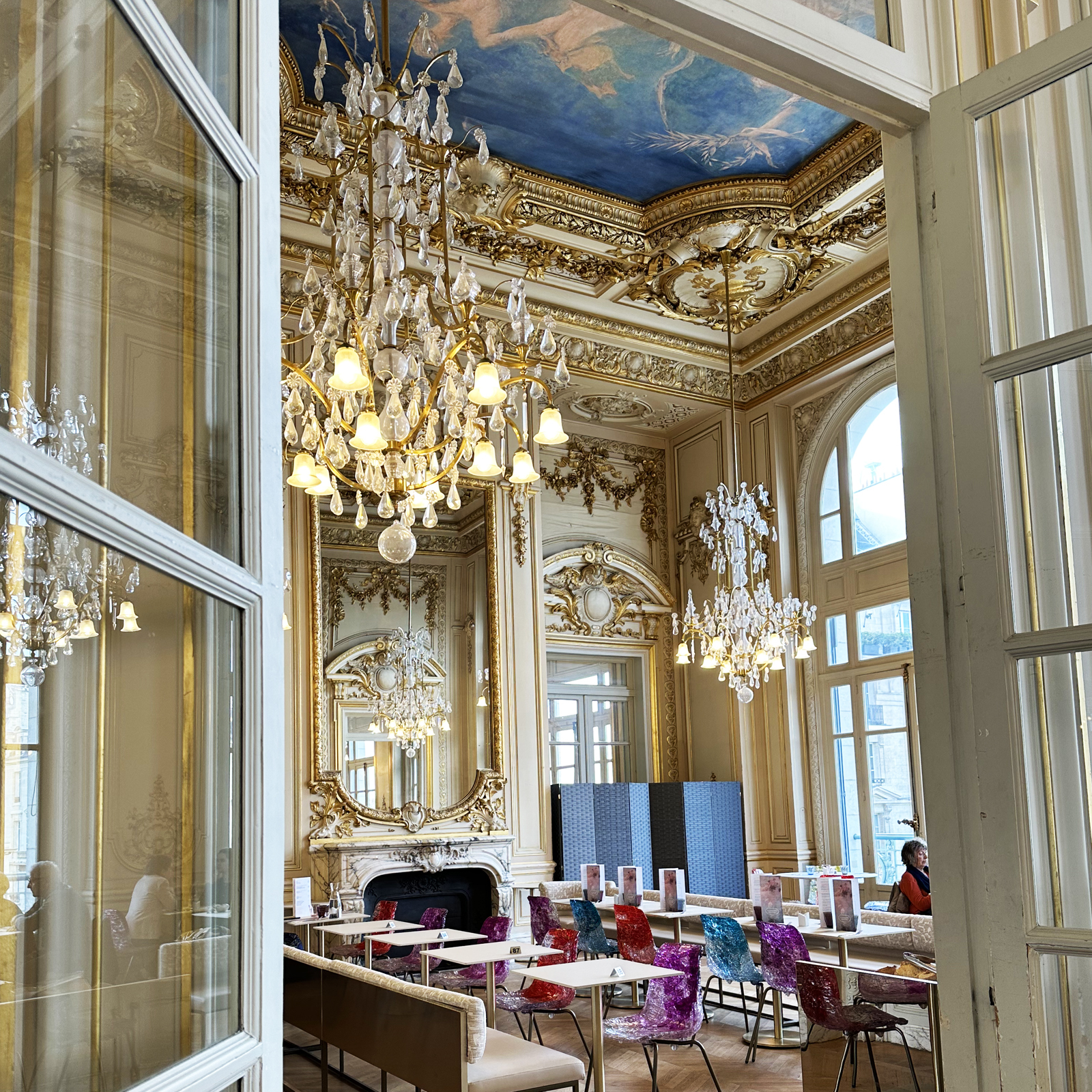
After exploring, linger at Café Campana, the museum’s ethereal restaurant designed by the Campana Brothers, where shimmering blue tones and golden clocks overlook the Seine.
For an elegant lunch nearby, walk to Restaurant du Musée d’Orsay — or cross the bridge toward Les Antiquaires, a classic brasserie with Parisian charm.
Across the river, the Jardin des Tuileries opens into a panorama of fountains and sculpture, leading toward the Louvre and Musée de l’Orangerie, where Monet’s vast Nymphéas complete the Impressionist circle.
The Musée d’Orsay is not simply a museum — it is a journey through light, time, and emotion.
Through the surreal lens of TLC Paris Concierge, it becomes a bridge between past and present — where art, architecture, and the city’s quiet pulse meet.
Beyond its own treasures, the museum sits within an easy walk of other Parisian landmarks and streets worth exploring: the literary charm of Rue Bonaparte, the refined galleries of Rue de Seine, the peaceful elegance of the Jardin du Luxembourg, the historic allure of Rue Jacob, and the shopping pleasures along Rue du Bac.