

Marché aux Puces de Saint-Ouen – The World’s Largest Antique Market
Market
Antiques • Vintage • Art • Design • Collectibles • Saint-Ouen
Marché aux Puces de Saint-Ouen – The World’s Largest Antique Market
Marché aux Puces de Paris Saint-Ouen is far more than a single flea market. Spread across roughly seven hectares, this legendary destination brings together specialist markets, galleries, antique dealers and bustling flea-market streets. Explore everything from fine antiques, paintings and period furniture to Art Deco, design, vintage fashion, jewellery, books, records and unexpected curiosities. Each market has its own personality, making Les Puces as rewarding for serious collectors and interior designers as it is for visitors who simply enjoy the hunt.
Explore Les Puces – Antiques, Vintage, Art & Design
Marché aux Puces de Saint-Ouen •
Puces de Saint-Ouen •
Paris Saint-Ouen flea market •
Les Puces Paris •
Les Puces Saint-Ouen •
Saint-Ouen antique market •
Paris flea market •
Flea markets Paris •
Best flea market Paris •
Largest flea market Paris •
Famous flea market Paris •
French flea market •
Paris brocante •
Antique market Paris •
Paris antique market •
Antiques Saint-Ouen •
Paris antiques •
Antique dealers Paris •
Antiquaires Paris •
Brocanteurs Paris •
World's largest antique market •
World's largest flea market •
Largest concentration antique dealers •
Saint-Ouen antiques Paris •
Historic flea market Paris •
Les Puces seven hectares •
Saint-Ouen seven hectare market •
Saint-Ouen market maze •
Markets of Saint-Ouen •
Saint-Ouen market streets •
Rue des Rosiers Saint-Ouen •
Marché Vernaison •
Vernaison Saint-Ouen •
Vernaison flea market •
Historic flea market Saint-Ouen •
Original Saint-Ouen market •
Brocante Vernaison •
Marché Biron •
Biron Saint-Ouen •
Biron antique market •
Marché Biron antiques •
Fine antiques Biron •
Luxury antiques Saint-Ouen •
Marché Paul Bert Serpette •
Paul Bert Serpette •
Paul Bert Saint-Ouen •
Serpette Saint-Ouen •
Paul Bert Serpette antiques •
Paul Bert Serpette design •
Marché Dauphine •
Dauphine Saint-Ouen •
Marché Dauphine Paris •
Dauphine antiques •
Dauphine design •
Dauphine vintage •
Marché Jules Vallès •
Jules Vallès Saint-Ouen •
Marché Cambo •
Marché Malassis •
Marché L'Entrepôt •
Marché L'Usine •
Marché Le Passage •
Saint-Ouen market map •
Les Puces map •
Puces Saint-Ouen map •
Marché aux Puces map •
Saint-Ouen antique market map •
Plan Les Puces •
Antique furniture Paris •
French antique furniture •
Period furniture Paris •
Vintage furniture Paris •
Collectible furniture Paris •
Designer furniture Paris •
Furniture Saint-Ouen •
18th century furniture Paris •
19th century furniture Paris •
20th century furniture Paris •
French period furniture •
Napoleon III furniture Paris •
Louis style furniture Paris •
Art Deco Paris •
Art Deco furniture Paris •
Art Deco antiques Paris •
Art Deco Saint-Ouen •
French Art Deco •
Art Deco design Paris •
1920s design Paris •
Art Nouveau Paris •
Art Nouveau furniture Paris •
Art Nouveau antiques •
French Art Nouveau •
Art Nouveau Saint-Ouen •
Mid-century design Paris •
Mid-century furniture Paris •
Vintage design Paris •
20th century design Paris •
French modernist design •
Collectible design Paris •
Interior design Paris •
Interior designers Saint-Ouen •
Design sourcing Paris •
Furniture sourcing Paris •
Antique sourcing Paris •
Paris interiors shopping •
Paintings Saint-Ouen •
Antique paintings Paris •
Fine art Saint-Ouen •
Art dealers Saint-Ouen •
Paris art market •
Art galleries Saint-Ouen •
Sculpture Saint-Ouen •
Bronze sculpture Paris •
Antique sculpture Paris •
Decorative sculpture Paris •
French sculpture antiques •
Ceramics Saint-Ouen •
French ceramics Paris •
Antique ceramics Paris •
Porcelain Saint-Ouen •
Vintage ceramics Paris •
Art pottery Paris •
Glassware Saint-Ouen •
Antique glass Paris •
French glassware •
Crystal Paris antiques •
Vintage glass Paris •
Decorative glass Paris •
Silverware Paris •
Antique silver Paris •
French silverware •
Tableware Saint-Ouen •
Vintage tableware Paris •
Antique dining objects •
Vintage lighting Paris •
Antique lighting Paris •
French chandeliers Paris •
Designer lighting Saint-Ouen •
Art Deco lighting Paris •
Collectible lighting Paris •
Mirrors Saint-Ouen •
Antique mirrors Paris •
French mirrors Paris •
Decorative mirrors Paris •
Vintage mirrors Paris •
Jewellery Saint-Ouen •
Antique jewellery Paris •
Vintage jewellery Paris •
Fine jewellery Saint-Ouen •
Collectible jewellery Paris •
Costume jewellery Paris •
Vintage fashion Saint-Ouen •
Vintage clothing Paris •
Designer vintage Paris •
Vintage accessories Paris •
French vintage fashion •
Fashion collectors Paris •
Vintage handbags Paris •
Vintage luxury Paris •
Vintage designer bags Paris •
Vintage scarves Paris •
Vintage accessories Saint-Ouen •
Vintage watches Paris •
Antique watches Saint-Ouen •
Horology Paris •
Collectible watches Paris •
Vintage clocks Paris •
Antique clocks Paris •
Books Saint-Ouen •
Antique books Paris •
Rare books Paris •
Vintage books Paris •
Booksellers Saint-Ouen •
Collectible books Paris •
Vinyl records Saint-Ouen •
Record shops Saint-Ouen •
Vintage records Paris •
Rare vinyl Paris •
Music collectibles Paris •
Marché Dauphine records •
Vintage posters Paris •
Antique posters Paris •
French advertising posters •
Collectible posters Paris •
Graphic design collectibles Paris •
Photography Saint-Ouen •
Vintage photography Paris •
Old photographs Paris •
Photography collectibles Paris •
Historic photographs Paris •
Tribal art Saint-Ouen •
Asian art Saint-Ouen •
Archaeology Saint-Ouen •
African art Paris •
Asian antiques Paris •
World art Paris •
Architectural antiques Paris •
Architectural salvage Paris •
Antique doors Paris •
Vintage architectural pieces •
Marché L'Entrepôt furniture •
Large antiques Saint-Ouen •
Collectibles Paris •
Paris collectors market •
Rare objects Paris •
Curiosities Paris •
Objets d'art Paris •
Unusual antiques Paris •
Vintage treasures Paris •
Treasure hunting Paris •
Antique hunting Paris •
Flea market treasure hunting •
Bargain hunting Paris •
Vintage hunting Paris •
Brocante shopping Paris •
Buy antiques Paris •
Where to buy antiques Paris •
Buy vintage Paris •
Where to buy vintage Paris •
Buy French antiques •
Where to buy furniture Paris •
Paris antique shopping •
Vintage shopping Paris •
Paris design shopping •
Paris collector shopping •
Paris interior shopping •
Paris decorative arts shopping •
Art collectors Paris •
Antique collectors Paris •
Design collectors Paris •
Paris for collectors •
Paris for antique lovers •
Paris for design lovers •
Paris hidden gems •
Alternative Paris attractions •
Off the beaten path Paris •
Unique things to do Paris •
Weekend activities Paris •
Paris weekend markets •
Things to do in Saint-Ouen •
Visit Saint-Ouen •
Saint-Ouen attractions •
Saint-Ouen shopping •
Saint-Ouen art and design •
Saint-Ouen weekend •
Porte de Clignancourt flea market •
Clignancourt flea market •
Flea market near Montmartre •
Antiques near Montmartre •
Vintage shopping near Montmartre •
Paris flea market Saturday •
Paris flea market Sunday •
Paris flea market Monday •
Saint-Ouen weekend market •
Weekend flea market Paris •
Puces opening hours •
Saint-Ouen flea market opening hours •
When to visit Saint-Ouen flea market •
Visit Les Puces Paris •
Plan Saint-Ouen flea market visit •
Saint-Ouen shipping antiques •
Ship antiques from Paris •
International antique shipping Paris •
Furniture shipping Saint-Ouen •
Fine art shipping Saint-Ouen •
Paris vintage itinerary •
Paris antiques itinerary •
Paris design itinerary •
Paris flea market itinerary •
Paris shopping itinerary •
Paris collector itinerary •
TLC Paris Saint-Ouen •
TLC Paris Les Puces •
TLC Paris flea markets •
TLC Paris antiques •
TLC Paris vintage •
TLC Paris design •
TLC Paris shopping •
TLC Paris collectors
TLC Paris tip: Don’t arrive expecting to “do” Les Puces in an hour. Check the official map before you go and choose two or three markets that match your interests. Try Vernaison for old-school flea-market atmosphere, Biron for higher-end antiques and art, Paul Bert Serpette for a sophisticated mix of periods and design, or Dauphine for an eclectic blend that includes antiques, design, books, records, fashion and pop culture. Then leave enough time to wander beyond your plan.
Highlights – Marché aux Puces de Saint-Ouen
World’s Largest
Saint-Ouen is home to the world’s largest concentration of antique and second-hand dealers, drawing collectors, decorators and curious visitors from around the world.
A Village of Specialist Markets
Biron, Dauphine, Paul Bert Serpette, Vernaison and other markets each have their own atmosphere, dealers and specialties.
7 Hectares to Explore
Markets, passages and specialist shopping streets form a vast maze that rewards wandering rather than a quick visit.
Antiques, Vintage & Design
Furniture, decorative arts, fashion, jewellery, books, art, curiosities and collectible objects coexist in one extraordinary destination.
Location, Access & Map
Marché aux Puces de Paris Saint-Ouen
Saint-Ouen-sur-Seine
93400 France
Les Puces sits immediately north of Paris beside the 18th arrondissement, with its markets concentrated around Rue des Rosiers and the surrounding streets.
Metro: Garibaldi on Line 13, Porte de Clignancourt on Line 4, or Saint-Ouen on Line 14. Bus 85 also reaches the heart of Les Puces.
Understanding Les Puces
Les Puces is not one conventional flea market. It is an entire district of specialist covered markets, galleries, stands, passages and shopping streets spread across approximately seven hectares.
Its roots stretch back to the late 19th century, when ragpickers and second-hand dealers settled beyond the old fortifications of Paris. The official history dates the birth of the market to 1885.
Today the appeal is the contrast: serious antiques and museum-quality decorative arts can sit only minutes from vintage clothes, industrial pieces, books, curious objects and informal street stalls.
Which Markets Should You Explore?
You do not need to see every market on a first visit. Choose according to what interests you, then allow time to wander between them.
- Marché Biron – a historic market known for antiques, fine furniture, paintings, decorative arts and more refined collecting.
- Marché Paul Bert Serpette – one of the best-known destinations for 20th-century furniture, decorative arts, vintage design and strong individual dealers.
- Marché Dauphine – a large covered market mixing antiques, vintage, art, books, records and collectible objects.
- Marché Vernaison – one of the historic hearts of Les Puces, particularly enjoyable for the feeling of discovery among smaller stands and passages.
- Marché Jules Vallès – a more traditional brocante atmosphere with furniture, objects and unexpected finds.
- The flea-market streets – Rue des Rosiers, Rue Paul Bert and surrounding passages connect the markets and add a less formal layer of second-hand shopping.
What You Can Find
The pleasure of Saint-Ouen is its extraordinary range. Depending on the market and dealer, you may find:
- Antique and 20th-century furniture
- Mid-century and contemporary design
- Paintings, prints and sculpture
- Lighting and decorative arts
- Mirrors, ceramics, glass and silverware
- Vintage fashion and accessories
- Jewellery and watches
- Books, posters, photographs and records
- Textiles and rugs
- Industrial furniture and objects
- Architectural elements
- Curiosities and unusual collectibles
Serious collectors can arrive looking for one very specific object, but Les Puces is equally enjoyable when you have absolutely nothing in particular in mind.
Opening Days & Best Time to Visit
The official general opening rhythm is:
- Friday: 10:00–13:00
- Saturday: 10:00–18:00
- Sunday: 10:00–18:00
- Monday: 11:00–17:00
Individual dealers and markets can follow slightly different schedules, so check the official site if one particular gallery or dealer is the reason for your visit.
Saturday and Sunday give you the fullest sense of the destination and the strongest atmosphere. If you are seriously shopping, arrive earlier rather than trying to cover Les Puces late in the afternoon.
Allow at least a few hours. For interiors, antiques or design enthusiasts, Les Puces can easily become a half-day or full-day destination.
Buying, Negotiating & Shipping
Les Puces includes everything from casual brocante stands to established specialist galleries, so there is no single purchasing style that applies everywhere.
- Ask questions about period, maker, provenance, condition and restoration when these matter to the purchase.
- Polite negotiation may be possible, but do not assume every dealer expects aggressive bargaining.
- Examine condition carefully, especially with furniture, textiles, ceramics and vintage pieces.
- For valuable antiques, ask for appropriate documentation and a detailed invoice.
- Do not let transportation stop you from considering larger pieces. Specialist dealers regularly work with clients who need delivery or international shipping.
- Confirm shipping, insurance, customs and any export requirements directly with the dealer before completing a significant purchase.
Good to Know – Your First Visit
- Wear comfortable shoes. Seven hectares feels very different once you start disappearing into individual markets and passages.
- Save or photograph the official market map before you begin. It is surprisingly easy to lose your sense of direction.
- If design and serious antiques are your priority, choose two or three markets first rather than attempting to inspect every stand.
- Photograph a dealer’s name or stand number when you see something you may want to return to later.
- Keep normal city awareness around the approaches to the market and in crowded areas, particularly with phones, wallets and open bags.
- Leave some space in your plan for the streets between the major markets. They are part of the experience, not simply the route from one market to another.
- Above all, do not over-plan Les Puces. One of its greatest pleasures is finding something you never intended to look for.
TLC Paris tip: Les Puces is best treated as an atmosphere and a hunt rather than a checklist. Choose one or two markets that match your interests, then deliberately leave time to wander. Photograph the name or stand number of anything you may want to revisit — after several passages, courtyards and markets, finding the same dealer again can be much harder than you expect.
Design
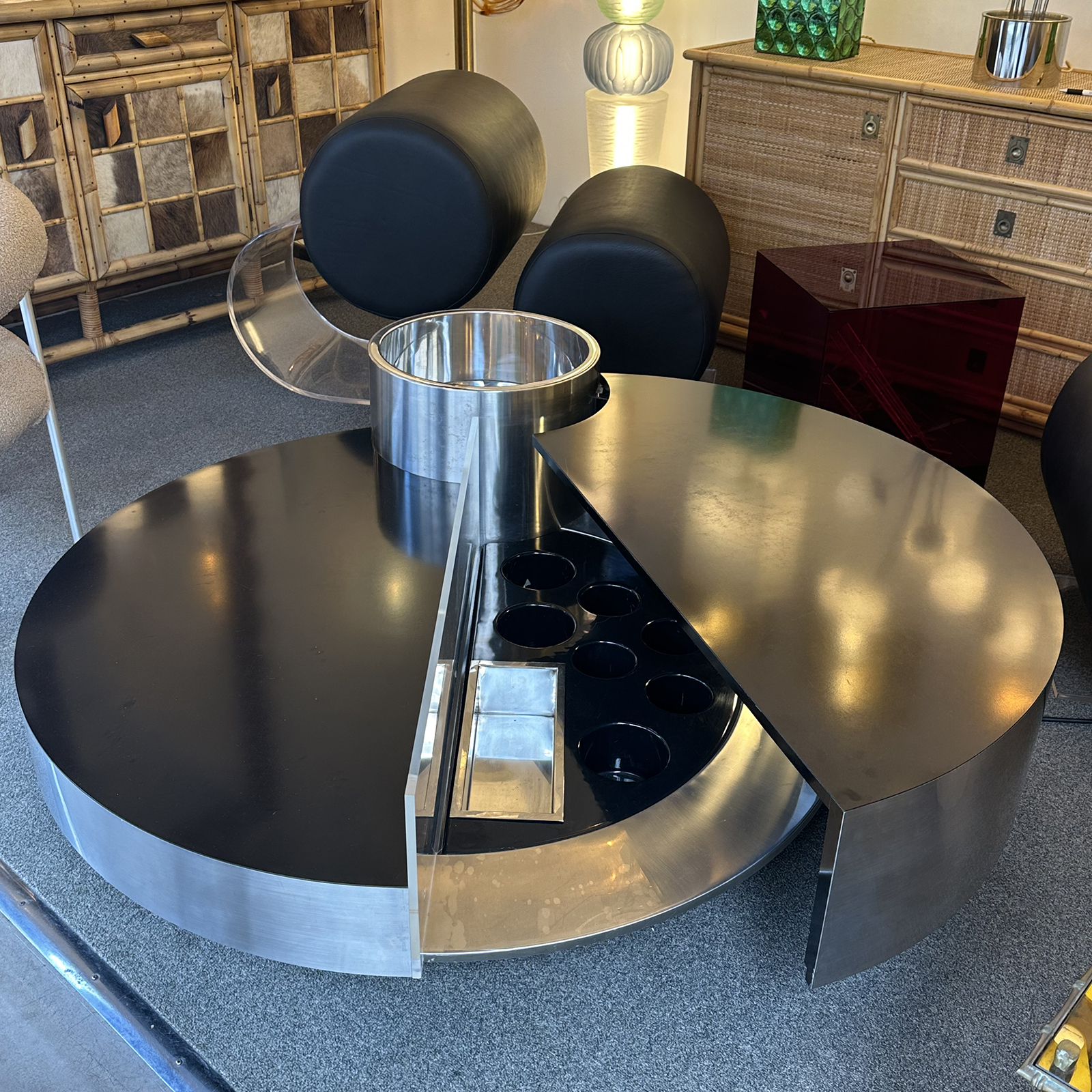
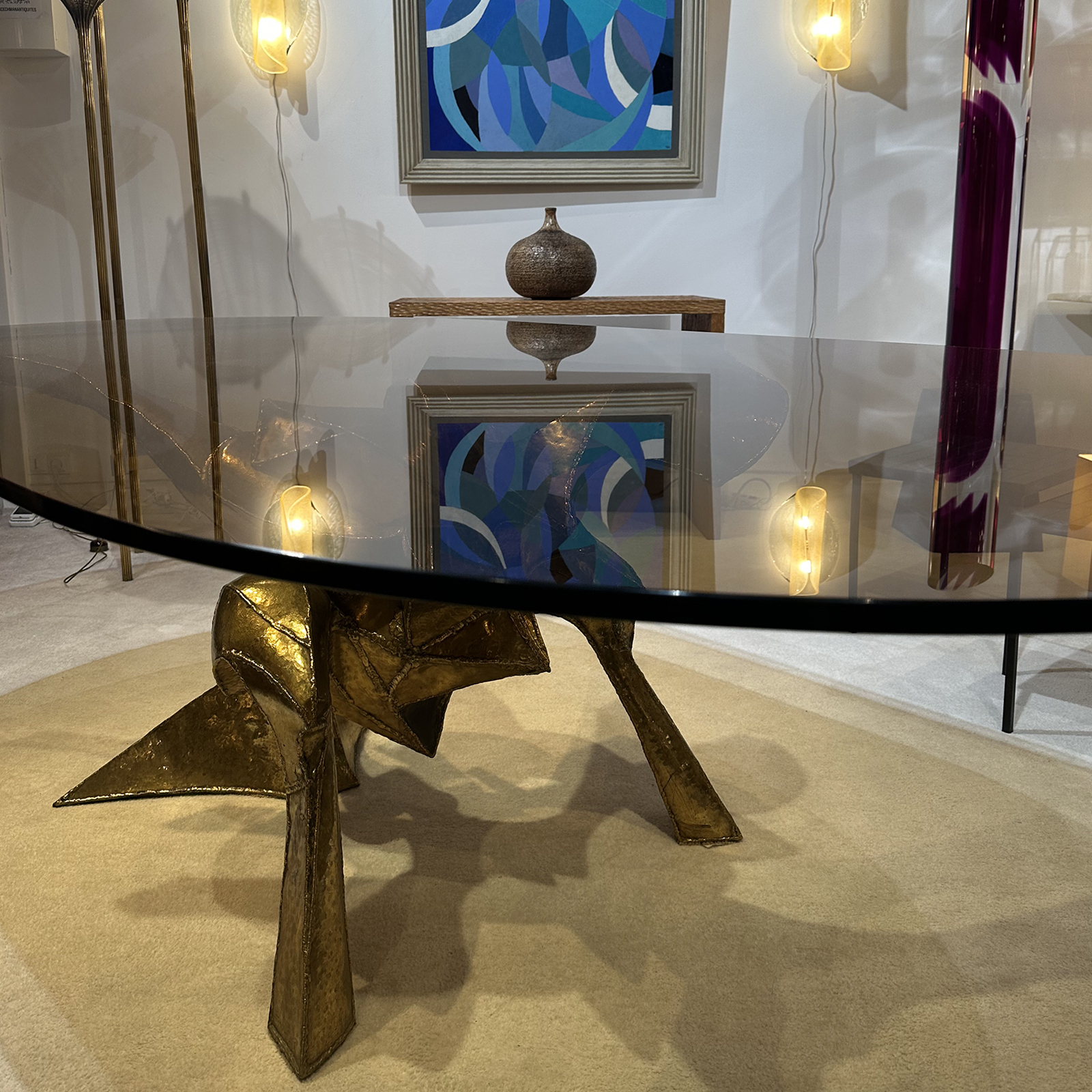
Design Finds at Saint-Ouen
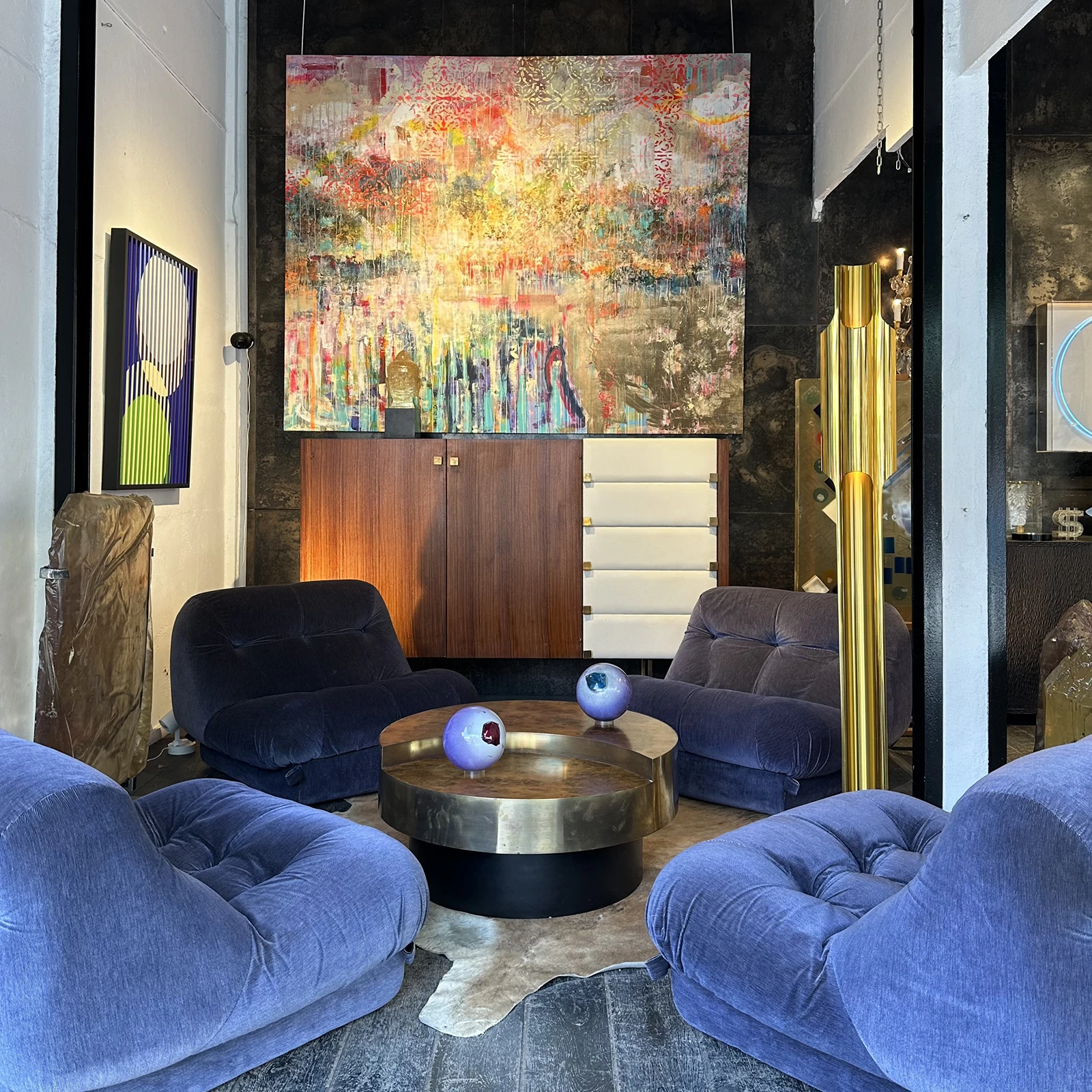
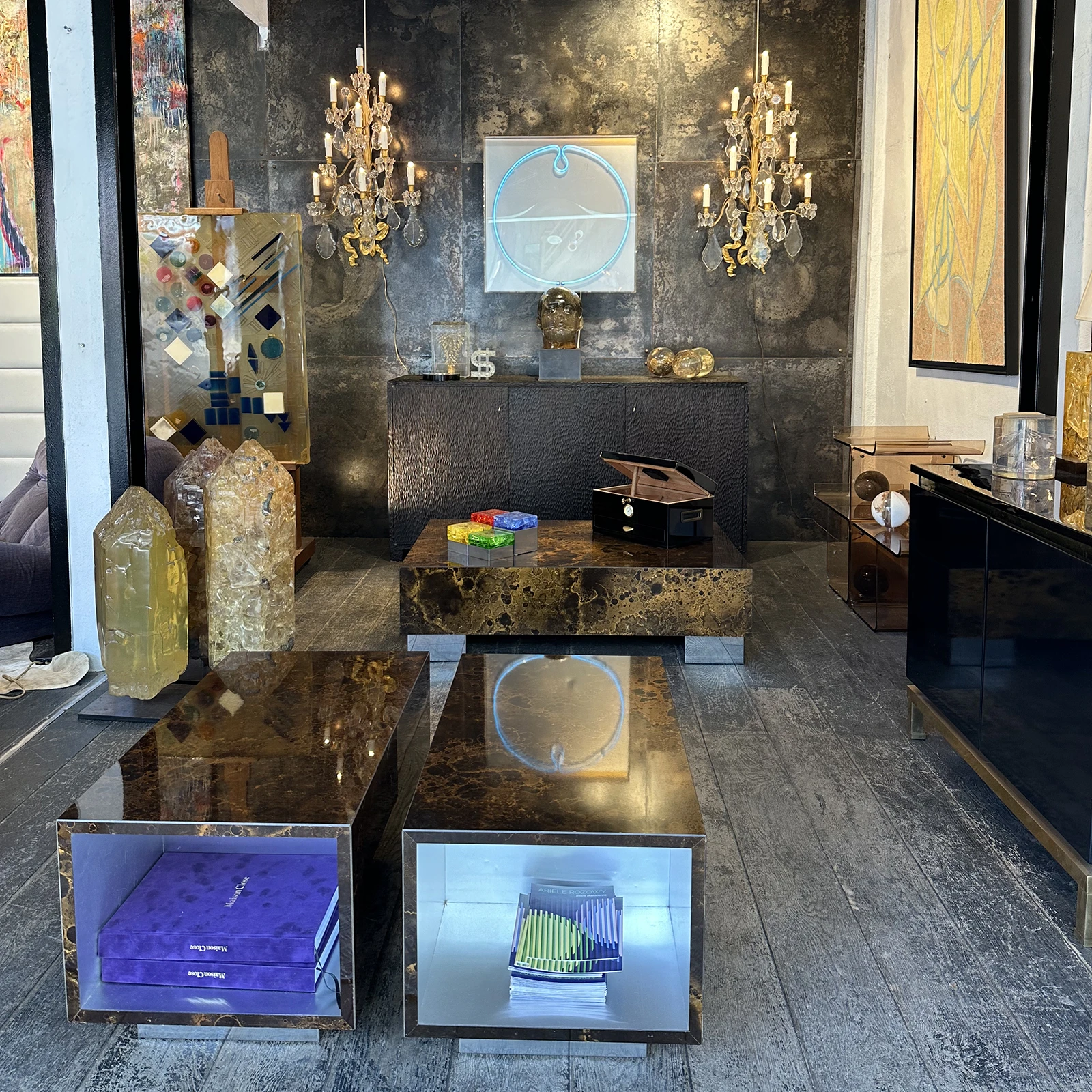
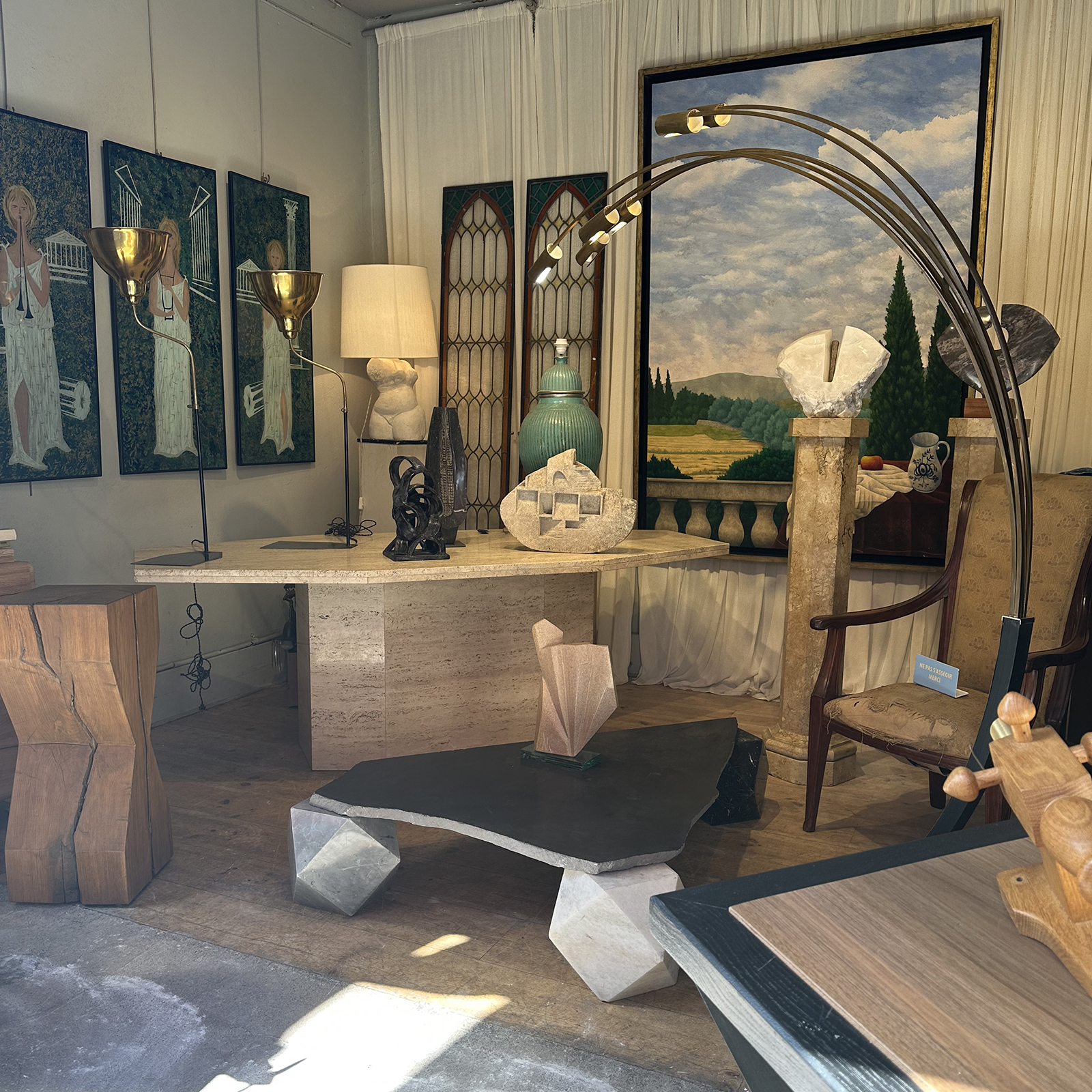
A design-led side of Saint-Ouen — closer to a gallery than a market.
Explore
Clean lines, iconic names & investment pieces. Collectible objects & intentionally curated furniture.
Rustic
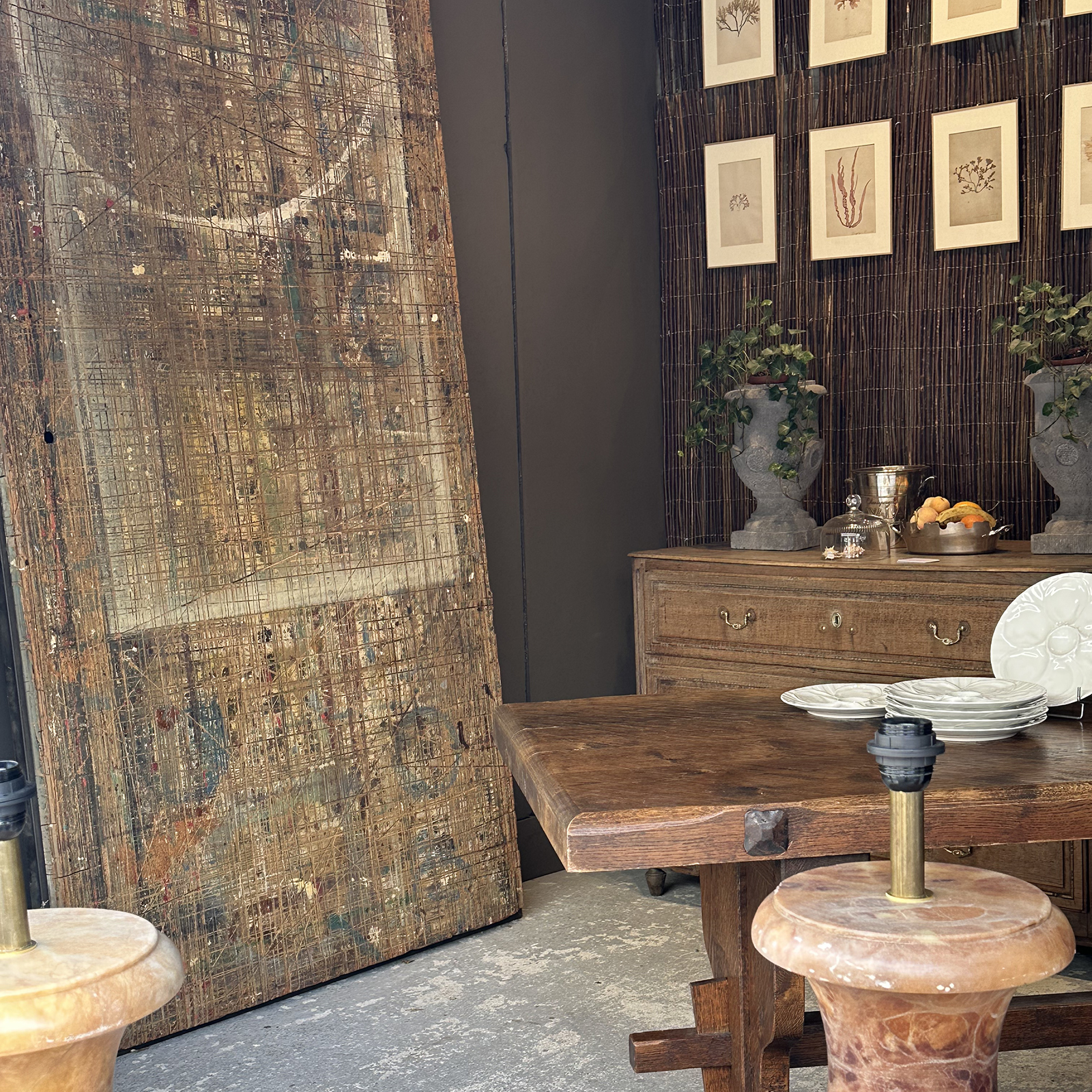
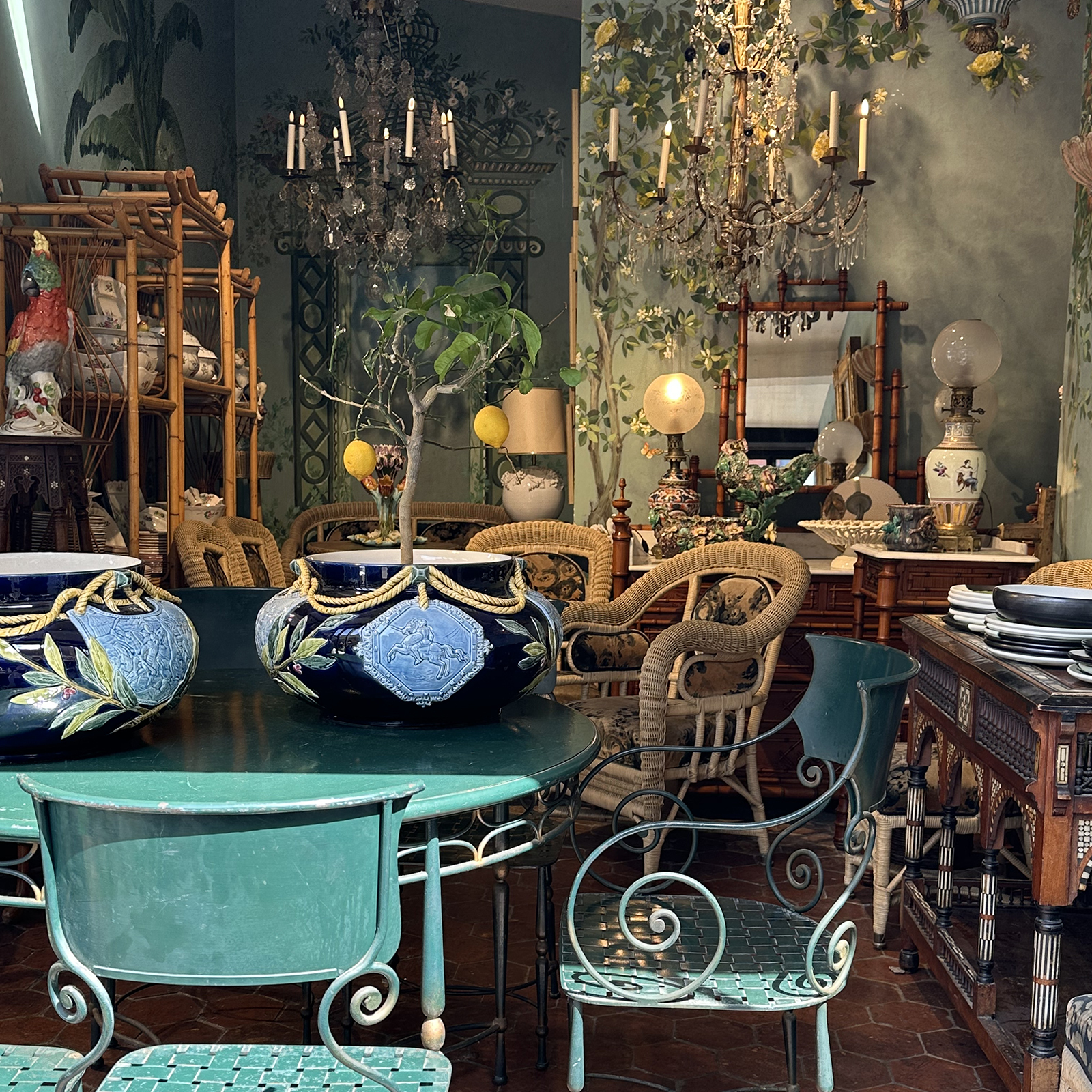
Rustic & Worn Beauty
A softer, lived-in aesthetic with aged wood, patina & countryside textures.
Explore
Farmhouse tables, linen tones, ceramics & objects shaped by time rather than design.

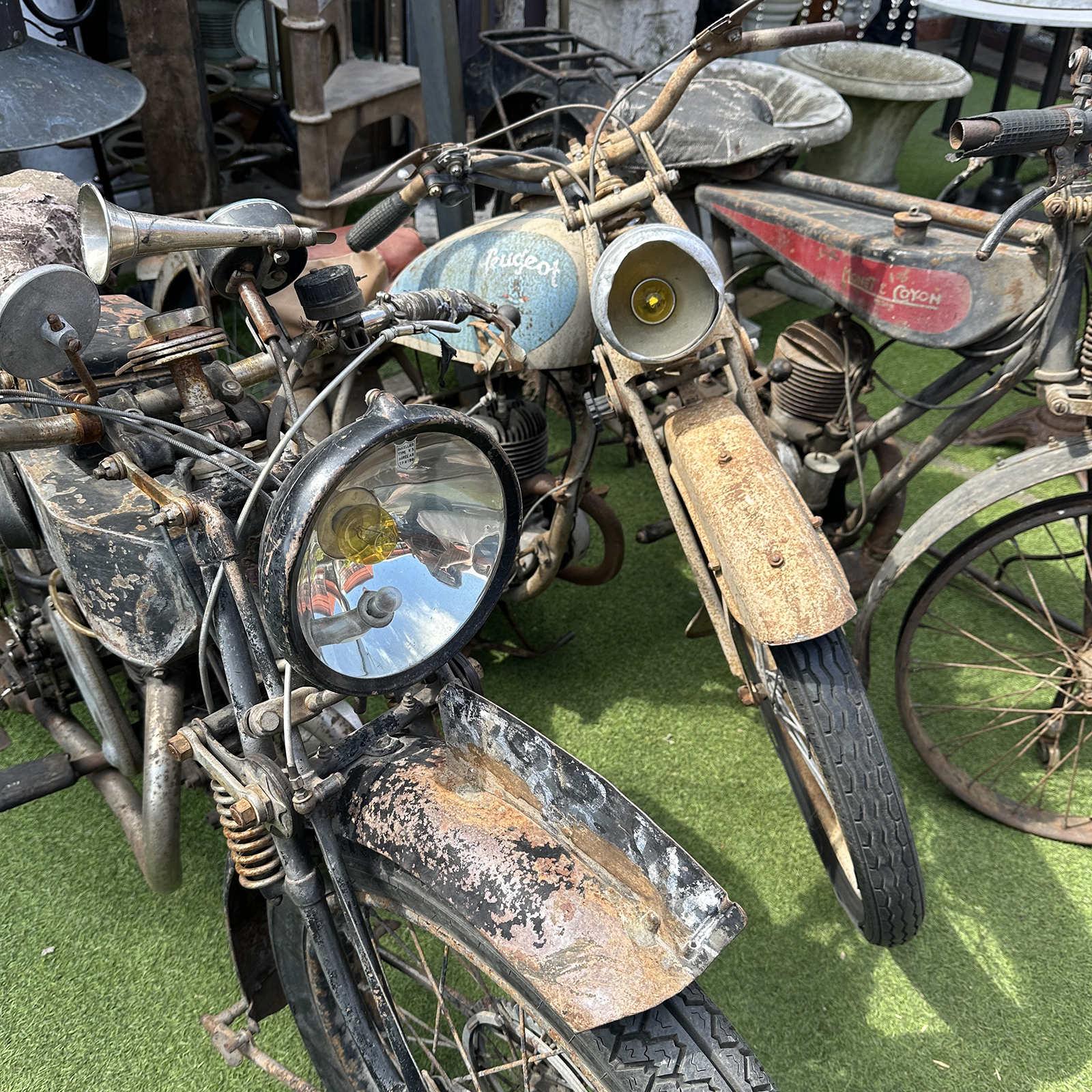
Eclectic
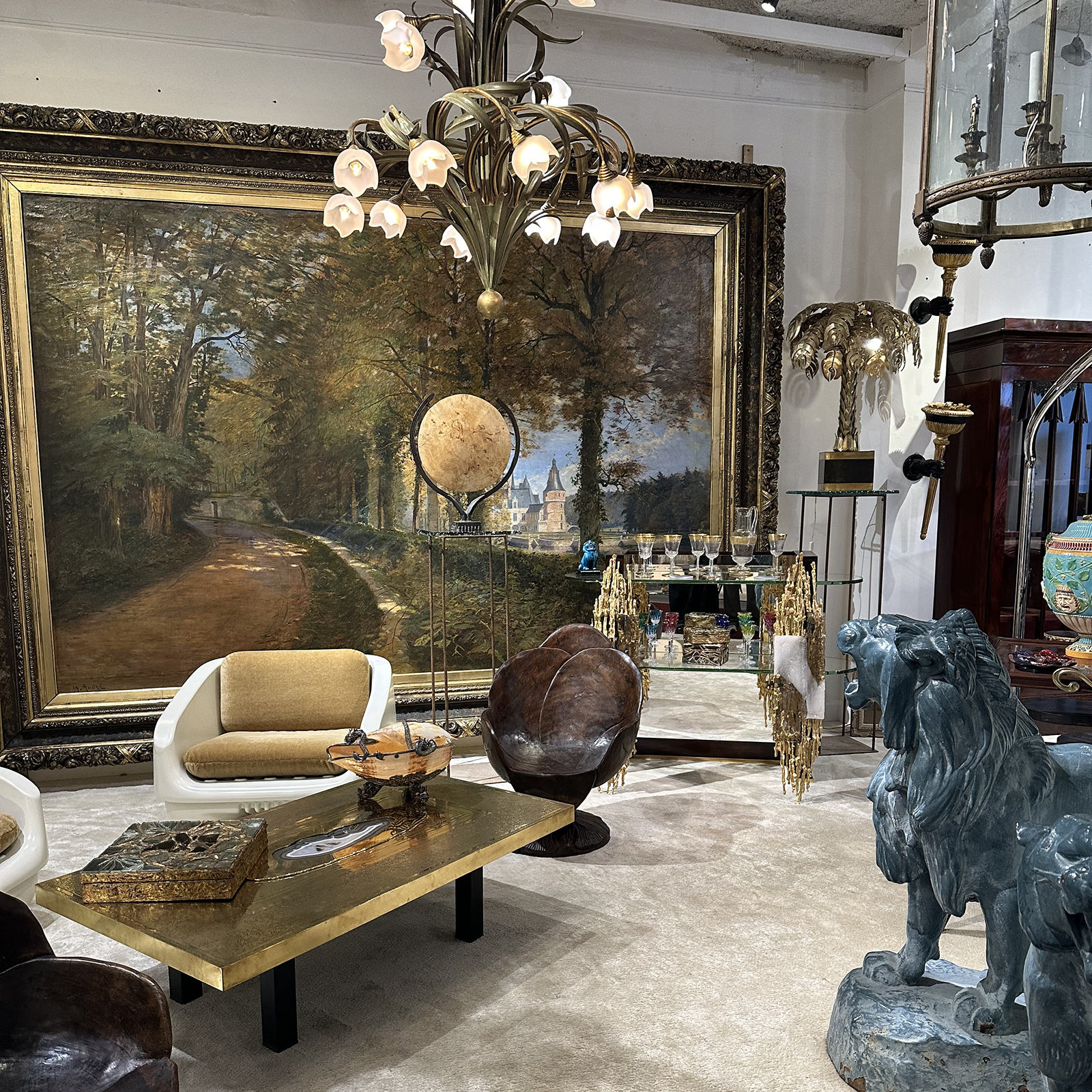
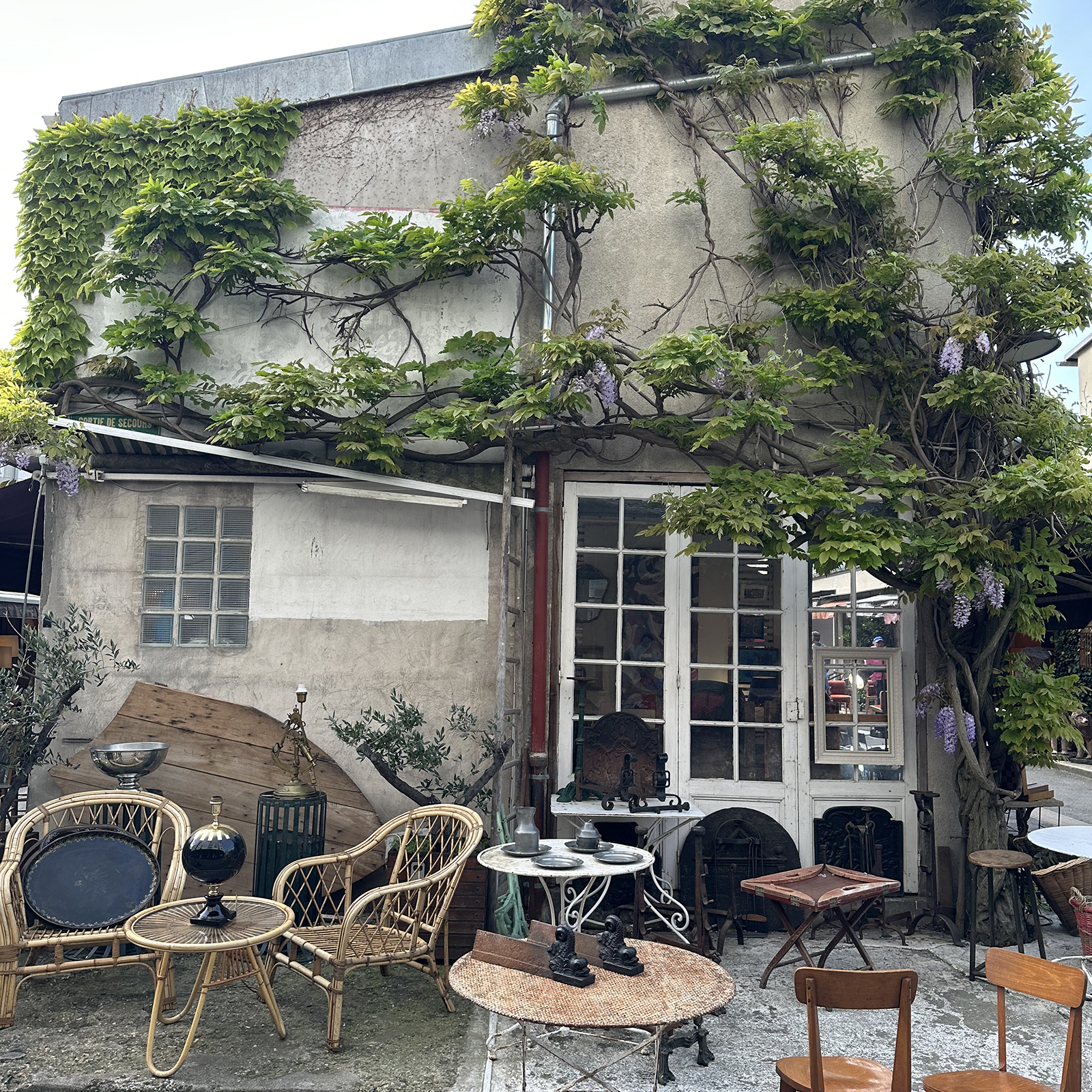
Eclectic Mixes
A playful, layered mix of eras, colours & unexpected combinations.
Explore
Vintage posters, sculptural lamps & one-of-a-kind objects define this bold side.
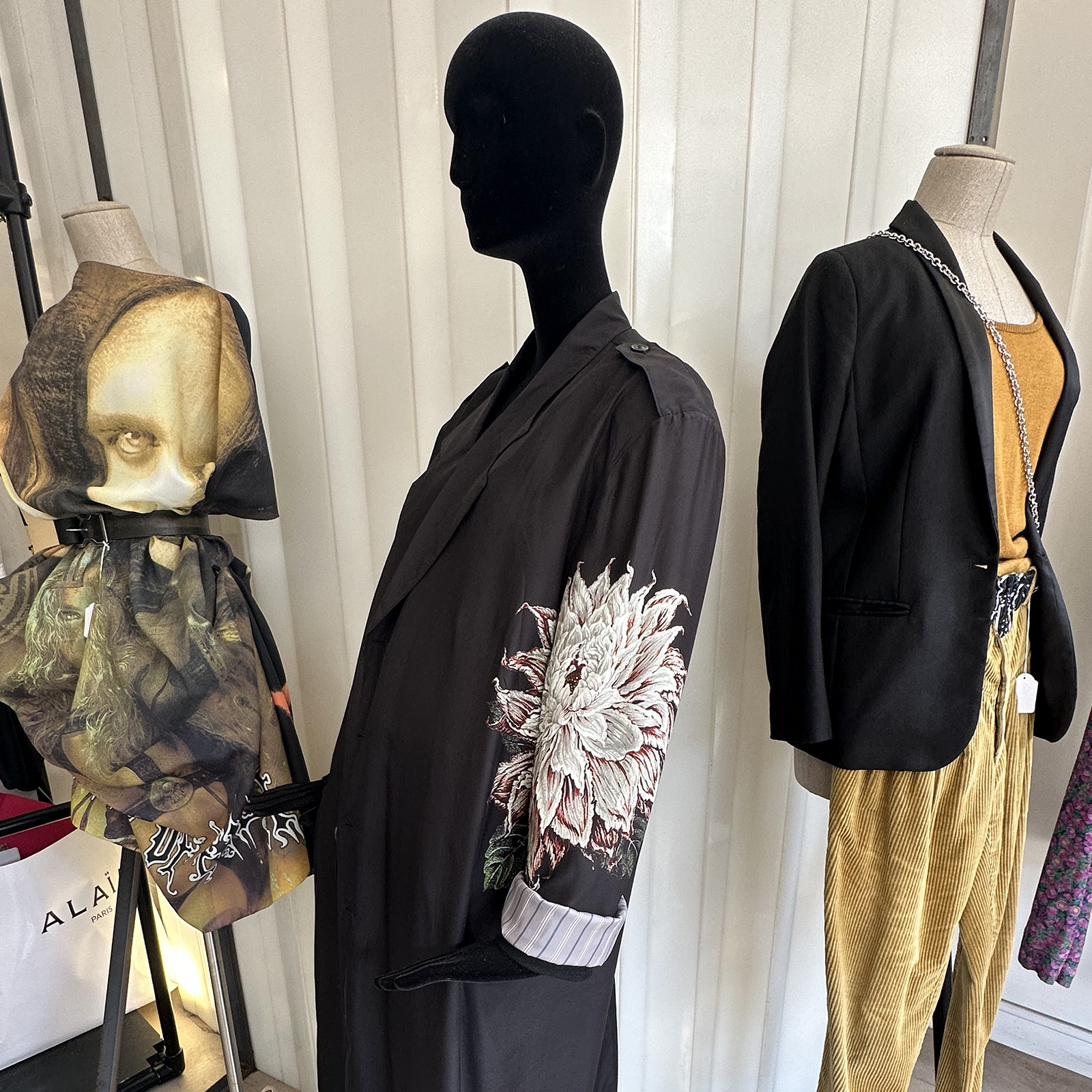
Classic
Classic Antiques
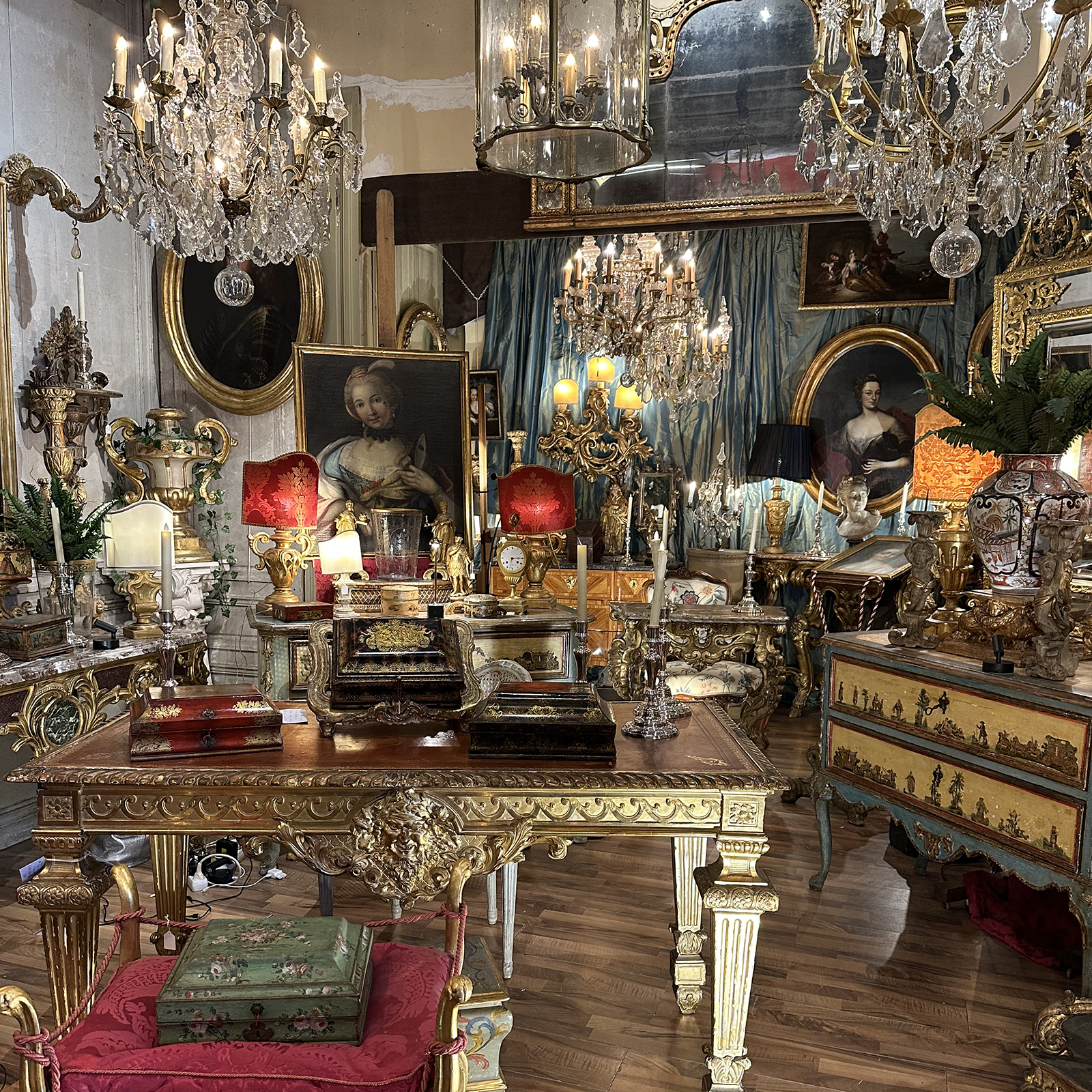
Elegant antiques, symmetry & timeless decorative pieces rooted in tradition.
Explore
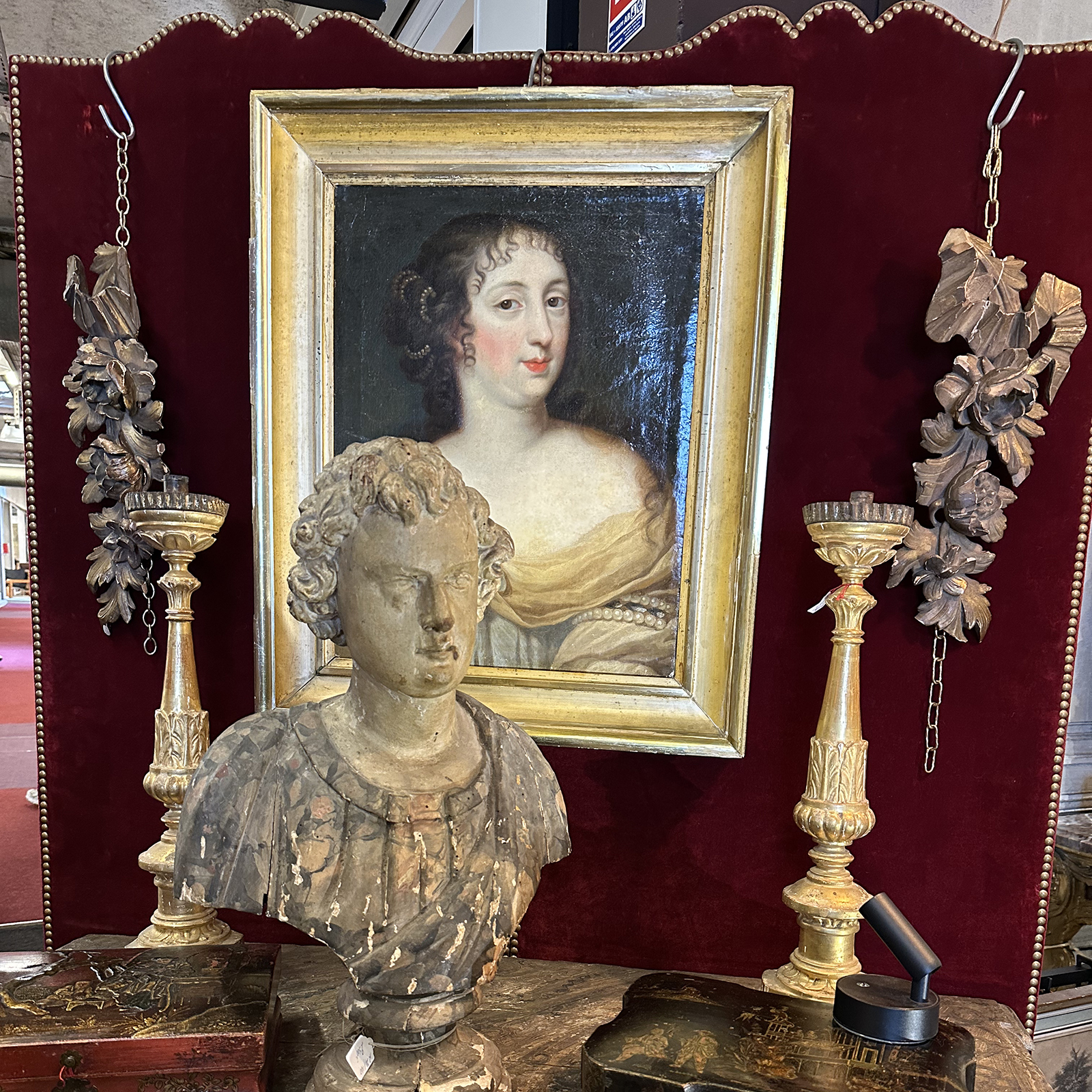
Chandeliers, gilded frames, marble surfaces & refined furniture with strong heritage.
Antiques, Vintage, Art, Design, Furniture, Collectibles & Treasure Hunting at the Paris Flea Market
Marché aux Puces de Saint-Ouen – The World’s Largest Antique Market
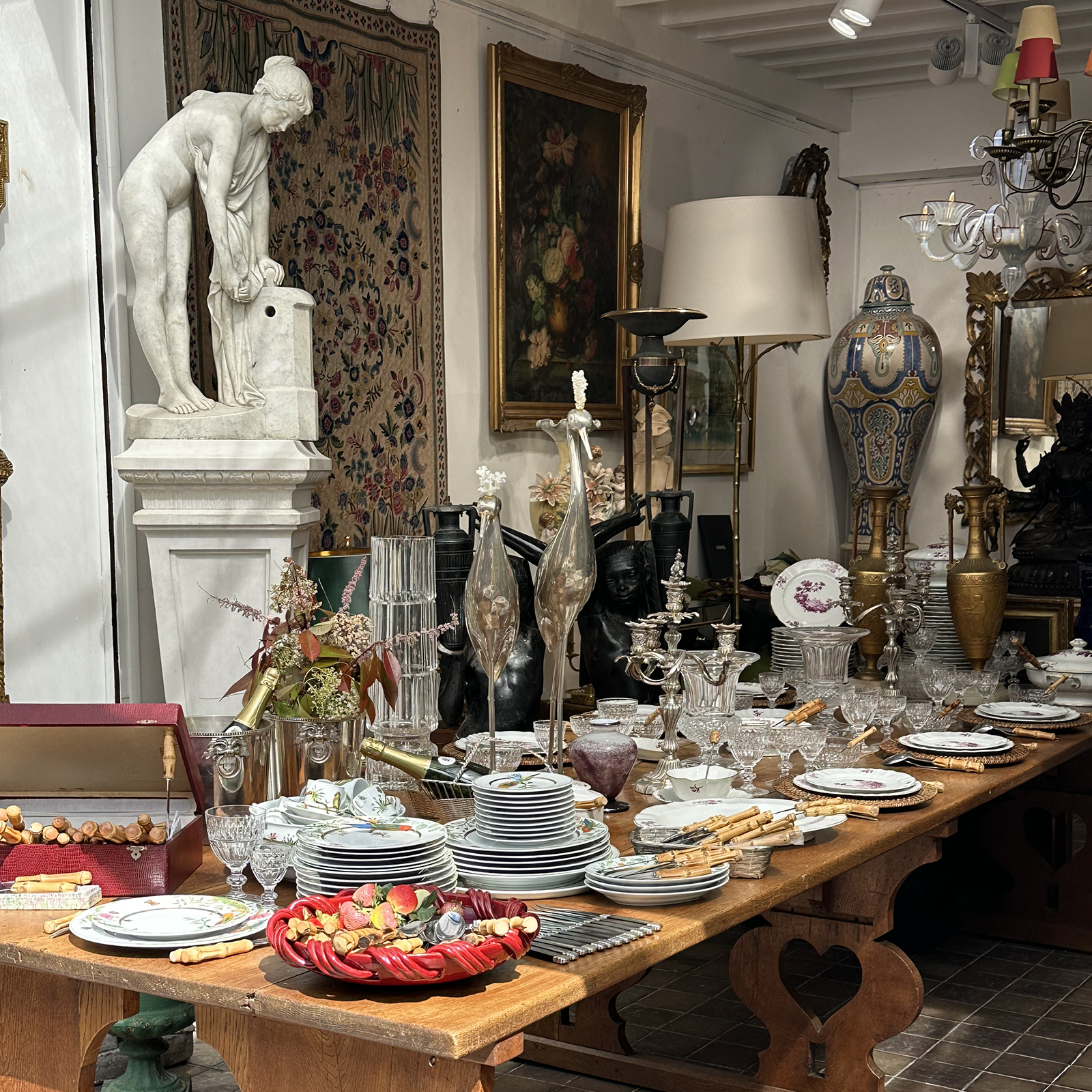
The Marché aux Puces de Paris Saint-Ouen is not one market but an extraordinary maze of individual markets, galleries, streets and specialist dealers just beyond the northern edge of Paris. Explore everything from serious antiques, paintings and period furniture to 20th-century design, jewellery, vintage fashion, books, records and wonderfully unexpected objects. With roots reaching back to the 19th century, the Puces rewards curiosity — and is best explored with time to wander.
Best For
Antiques, vintage, art, interior design, furniture, jewellery, fashion, collectibles, unusual objects & anyone who enjoys the thrill of finding something unexpected
Antiques, vintage, art, interior design, furniture, jewellery, fashion, collectibles, unusual objects & anyone who enjoys the thrill of finding something unexpected
Not One Market
Saint-Ouen is a vast collection of individual markets and flea-market streets, each with its own personality, specialists and price level — so choose where you explore
Saint-Ouen is a vast collection of individual markets and flea-market streets, each with its own personality, specialists and price level — so choose where you explore
What You’ll Find
Furniture, lighting, paintings, sculpture, tableware, jewellery, textiles, books, records, fashion, decorative arts, archaeological pieces, vintage finds & modern design
Furniture, lighting, paintings, sculpture, tableware, jewellery, textiles, books, records, fashion, decorative arts, archaeological pieces, vintage finds & modern design
Since The 1870s
The Puces grew from ragpickers and second-hand dealers who settled beyond the old Paris fortifications in the 1870s; its official birth is dated to 1885
The Puces grew from ragpickers and second-hand dealers who settled beyond the old Paris fortifications in the 1870s; its official birth is dated to 1885
Paul Bert Serpette
A flagship for serious antiques and design, mixing periods and styles across furniture, lighting, paintings, jewellery, textiles, decorative arts and rare discoveries
A flagship for serious antiques and design, mixing periods and styles across furniture, lighting, paintings, jewellery, textiles, decorative arts and rare discoveries
Vernaison & Dauphine
Explore historic Vernaison for classic flea-market atmosphere, while covered Marché Dauphine mixes antiques with design, books, records, fashion, art and pop culture
Explore historic Vernaison for classic flea-market atmosphere, while covered Marché Dauphine mixes antiques with design, books, records, fashion, art and pop culture
Allow Time
This is not a quick market stop. Allow at least half a day if it is your first visit, wear comfortable shoes and save a map or decide which markets interest you beforehand
This is not a quick market stop. Allow at least half a day if it is your first visit, wear comfortable shoes and save a map or decide which markets interest you beforehand
Getting There
The Puces are in Saint-Ouen, immediately north of Paris. Useful public transport includes Métro Line 4 to Porte de Clignancourt, Line 13 to Garibaldi and Line 14 to Saint-Ouen
The Puces are in Saint-Ouen, immediately north of Paris. Useful public transport includes Métro Line 4 to Porte de Clignancourt, Line 13 to Garibaldi and Line 14 to Saint-Ouen
Visitor Highlights
Marché aux Puces de Saint-Ouen · Puces de Saint-Ouen · Paris Flea Market · Saint-Ouen Flea Market · Flea Market Paris · Paris Antique Market · Antique Market Paris · Antiques Paris · Paris Antiques · Antique Dealers Paris · Brocante Paris · Brocante Saint-Ouen · Second-Hand Paris · Vintage Paris · Vintage Market Paris · Vintage Shopping Paris · Antique Shopping Paris · Treasure Hunting Paris · French Antiques · European Antiques · Antique Furniture · French Furniture · Vintage Furniture · 20th Century Design · Mid-Century Design · Art Deco · Decorative Arts · Interior Design Paris · Vintage Design Paris · Lighting · Antique Lighting · Paintings · Sculpture · Art Paris · Art Galleries · Jewellery · Vintage Jewellery · Antique Jewellery · Vintage Watches · Tableware · French Ceramics · Porcelain · Glassware · Textiles · Vintage Fashion · Vintage Clothing · Old Books · Rare Books · Vintage Posters · Vinyl Records · Collectibles · Rare Objects · Objets d'Art · Unusual Objects · Paul Bert Serpette · Marché Paul Bert · Marché Serpette · Marché Vernaison · Marché Dauphine · Marché Biron · Marché Jules Vallès · Marché Malassis · Rue des Rosiers Saint-Ouen · Saint-Ouen · Porte de Clignancourt · Paris 18th Arrondissement · 18th Arrondissement Paris · Montmartre · Things to Do Near Montmartre · Things to Do Saint-Ouen · Weekend in Paris · Weekend Markets Paris · Shopping in Paris · Unique Shopping Paris · Hidden Paris · Unusual Paris · Paris Markets · Paris Shopping Guide · Paris Antiques Guide · Paris Vintage Guide · TLC Paris
TLC Paris Concierge note: Don’t arrive expecting one entrance followed by one enormous market hall. Saint-Ouen is a neighbourhood-sized collection of different markets and streets, and knowing what interests you makes the visit much easier. For a first visit, combine atmospheric Vernaison with covered Dauphine and Paul Bert Serpette for antiques and design, then allow yourself time to wander Rue des Rosiers and the surrounding passages. Serious buyers should speak with dealers about provenance, delivery and international shipping before purchasing large or valuable pieces.
Just north of Paris, the Marché aux Puces de Saint-Ouen is far more than a market — it is a living archive of style, craftsmanship, and cultural memory. Spanning over seven hectares with more than 1,700 dealers, it remains one of the most influential destinations for collectors, designers, and tastemakers. Close to Montmartre, and easily combined with a visit to Sacré-Cœur, this legendary market offers a different vision of Paris — raw, layered, and endlessly inspiring.
Wandering through its alleys feels cinematic. One moment you discover a Louis XVI commode, the next a stack of vintage trunks reminiscent of Louis Vuitton, or silk scarves echoing the heritage of Hermès. The atmosphere is rich with texture — polished wood, aged leather, and objects that carry decades, sometimes centuries, of life.
The market is divided into distinct worlds. Marché Paul Bert Serpette draws collectors of 20th-century design and museum-quality furniture. Marché Vernaison, the oldest section, offers a more eclectic and spontaneous charm, filled with curiosities, vintage décor, and unexpected finds. Between them, the Puces balance refinement and chaos in a way that feels uniquely Parisian.
The influence of Saint-Ouen extends far beyond antiques. It has long inspired figures across fashion and design, from couture houses on Avenue Montaigne to creative studios near Palais Royal. After exploring, visitors often pause at Ma Cocotte, a Philippe Starck-designed restaurant, or continue their day toward Canal Saint-Martin for a more contemporary Paris contrast.
More than shopping, the Puces represent a philosophy — one rooted in sustainability, craftsmanship, and timeless design. In an era of fast consumption, this is a place where objects are chosen for their story, not their trend. It is precisely this depth that aligns with the spirit of TLC Paris: curated, authentic, and quietly exceptional.