

✦ Captured by TLC Paris
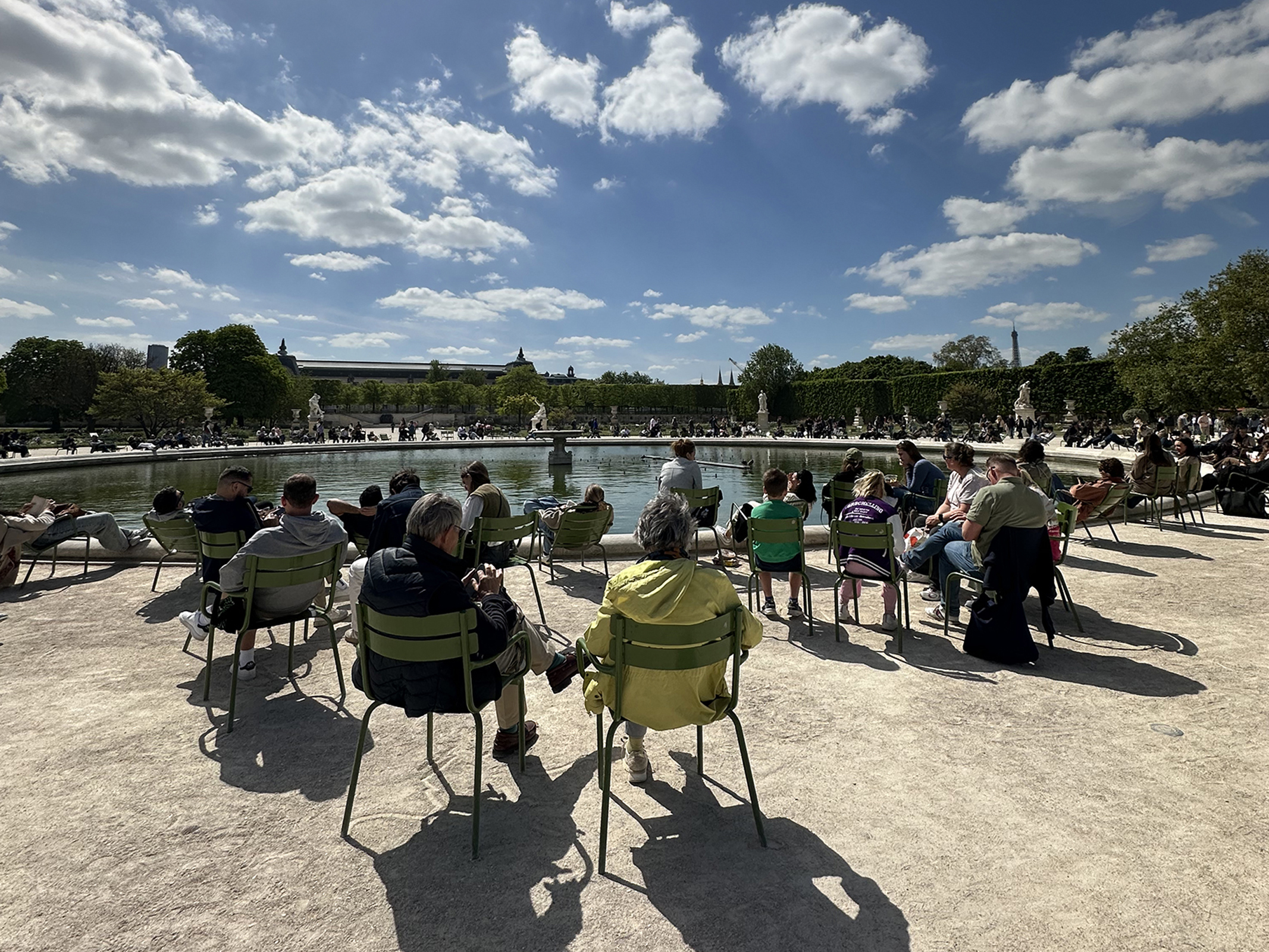
Jardin des Tuileries – Elegant Historic Garden in Paris with seatings
Paris Gardens, Museums, Fashion & Seasonal Events
Jardin des Tuileries
Stretching between the Louvre and Place de la Concorde, Jardin des Tuileries is one of Paris's most iconic public spaces. Visitors come for sculpture-lined pathways, fountains, cafés, seasonal events, fashion week energy and some of the city's best people-watching. In summer, Parisians relax directly on the lawns, while winter brings festive attractions and the famous Christmas market.
Explore the Area
Louvre Museum ·
Musée de l'Orangerie ·
Jeu de Paume ·
Place de la Concorde ·
Rue Saint-Honoré ·
Place Vendôme ·
Palais Royal ·
Bourse de Commerce ·
Loulou Restaurant ·
MAD Paris ·
Café Kitsuné ·
Angelina Paris ·
Fashion Week Paris ·
Christmas Market ·
Ferris Wheel ·
Paris Gardens ·
Photography Spots ·
Luxury Shopping ·
Historic Paris ·
Seine River Walks
TLC Paris Concierge note: The Tuileries are best enjoyed slowly. Grab a chair by one of the fountains, watch Paris drift by, then continue toward Place Vendôme, Palais Royal, the Louvre or Avenue de l'Opéra depending on your mood.
```
Explore →
Explore →
Highlights (evergreen)
Historic Paris Axis
Formal gardens linking the Louvre to Place de la Concorde.
Iconic Green Chairs
Movable seating designed for pausing, not rushing.
Museum Neighbourhood
Louvre, Orangerie, and Orsay within minutes.
Central Pause Spot
Ideal between shopping, exhibitions, and long walks.
TLC Paris Concierge note: The Tuileries is Paris’s most elegant reset — a place to sit, breathe, and let the city come to you.
✦
Paris's Historic Garden
From morning walks to sunny afternoons by the fountains, the Tuileries Garden remains one of Paris's most beloved green spaces.
Explore →
Explore →
Gardens, Fashion, Museums & Central Paris
Jardin des Tuileries
Stretching between the Louvre and Place de la Concorde, Jardin des Tuileries is one of Paris's most iconic public spaces. Combining sculpture, fountains, seasonal events, cafés and elegant promenades, it remains a favorite meeting place for visitors, locals and the fashion world alike.
Best For
Walking, relaxing & Paris views
Walking, relaxing & Paris views
Atmosphere
Elegant, open & distinctly Parisian
Elegant, open & distinctly Parisian
What To Expect
Gardens, fountains, cafés & sculpture
Gardens, fountains, cafés & sculpture
First Visit?
Absolutely, a Paris classic
Absolutely, a Paris classic
Location
Between Louvre & Place de la Concorde
Between Louvre & Place de la Concorde
Nearby
Louvre, Musée d'Orangerie & Place Vendôme
Louvre, Musée d'Orangerie & Place Vendôme
Visit Time
30 min–2 hours
30 min–2 hours
Best Time
Spring, summer & sunset
Spring, summer & sunset
Visitor Highlights
Louvre · Place de la Concorde · Fashion Week · Paris Picnics · Fountains · Sculptures · Musée des Arts Décoratifs (MAD) · Loulou Paris · Christmas Market · Ferris Wheel · Cafés · Sunset Walks · Paris Gardens
TLC Paris Concierge note: Unlike many formal city gardens, the Tuileries is a place where people actually spend time. On sunny days you'll find locals and visitors relaxing directly on the lawns, reading by the fountains or meeting friends before continuing toward the Louvre, Place Vendôme or Saint-Honoré. For lunch or an aperitif, the popular Loulou restaurant next to the Musée des Arts Décoratifs is one of the area's best-known addresses.
Jardin des Tuileries — Parisian Elegance Between Art, Fashion & History
Set in the very heart of Paris, between the Louvre Museum and Place de la Concorde, the Jardin des Tuileries is one of the city’s most emblematic landscapes. Designed as both a formal garden and a cultural promenade, it offers a rare balance between grandeur and calm, making it an ideal setting for a refined Parisian pause — whether for a walk, a moment of reflection, or an elegant picnic.
Originally created in the 16th century for Catherine de’ Medici and later redesigned by André Le Nôtre, the visionary behind Versailles, the garden remains a masterclass in French formal design. Long perspectives, symmetrical pathways, and carefully composed sightlines create a sense of order that contrasts beautifully with the surrounding city. Today, the Tuileries functions not only as a public park but as a living expression of Parisian heritage.
Stretching from the Louvre Museum toward the Champs-Élysées, the garden forms a green corridor along the historic axis of Paris. Despite its central location, it maintains a surprisingly serene atmosphere, offering relief from the bustle of Rue de Rivoli and nearby shopping streets. Rows of iconic green chairs invite visitors to linger, read, observe, or simply enjoy the rhythm of the city unfolding around them.
Art is inseparable from the experience. Sculptures by Auguste Rodin and Aristide Maillol punctuate the pathways, while changing contemporary installations add a modern layer to the classical setting. At the western edge of the garden, the Musée de l’Orangerie houses Claude Monet’s monumental Water Lilies, making the Tuileries a natural bridge between outdoor leisure and world-class art.
The garden’s location also makes it ideal for a gourmet picnic sourced just steps away. The nearby Rue Saint-Honoré offers access to some of Paris’s most elegant shops, pâtisseries, and delicatessens, while surrounding luxury hotels and cafés provide effortless options for takeaway treats. With basket in hand, returning to the calm of the garden feels like stepping into a painted scene.
Beyond food and art, the Tuileries reflects Parisian life in motion. Office workers pause here at lunchtime, students sketch sculptures beneath the trees, children sail toy boats on the ponds, and visitors from around the world slow down long enough to absorb the moment. The garden’s democratic elegance — open to all, yet unmistakably refined — is part of its enduring charm.
Seasonality adds another layer to its appeal. Spring brings flowering borders and fresh light, summer fills the terraces with sun-seekers, autumn casts golden tones across the gravel paths, and winter reveals a quieter, sculptural beauty. Throughout the year, the garden adapts, never losing its sense of balance or purpose.
What elevates a visit to the Jardin des Tuileries is the feeling of continuity — the sense that generations of artists, thinkers, and everyday Parisians have shared this same space. From royal promenades to modern city life, the garden remains a place where history and the present coexist effortlessly.
For TLC Paris, the Jardin des Tuileries represents Paris at its most composed: where art meets landscape, where fashion districts meet museums, and where a simple picnic becomes a cultural experience. More than a park, it is a defining landmark — and one of the most elegant places to pause, observe, and enjoy the city.