


Fondation Cartier pour l’Art Contemporain | Paris Contemporary Art & Design
Museum
Culture
Culture
Contemporary Art • Jean Nouvel Architecture • Palais-Royal • Exhibitions & Cultural Events
Fondation Cartier – Contemporary Art & Jean Nouvel Architecture at Palais-Royal
Fondation Cartier pour l’art contemporain brings contemporary art, architecture and cultural experimentation to a landmark new address opposite the Palais-Royal. Reimagined by Jean Nouvel within a historic Parisian building, the Fondation presents exhibitions, artist projects, performances, talks, workshops and architectural experiences in flexible spaces designed to evolve with each programme.
Explore Fondation Cartier & Contemporary Culture in Paris
Fondation Cartier ·
Contemporary Art ·
Modern Art ·
Contemporary Art Museums ·
Art Foundations ·
Paris Exhibitions ·
Major Exhibitions ·
Temporary Exhibitions ·
International Artists ·
Artist Commissions ·
Multidisciplinary Art ·
Visual Art ·
Photography ·
Design ·
Architecture ·
Jean Nouvel ·
Jean Nouvel Architecture ·
Contemporary Architecture ·
Museum Architecture ·
Architectural Tours ·
Flexible Exhibition Spaces ·
Art Installations ·
Performance Art ·
Live Performance ·
Concerts ·
Artist Talks ·
Cultural Events ·
Creative Workshops ·
Family Workshops ·
Guided Visits ·
Art Education ·
The Manufacture ·
Studio Marie-Claude Beaud ·
Art Bookshop ·
Museum Café ·
Creative Bar ·
Cultural Restaurants ·
Palais-Royal ·
Place du Palais-Royal ·
Rue de Rivoli ·
Rue Saint-Honoré ·
Louvre ·
Tuileries ·
1st Arrondissement ·
Central Paris ·
Museums in Paris ·
Things to Do in Paris ·
Paris Cultural Guide ·
TLC Paris Art Guide
TLC Paris tip: The new Palais-Royal location is worth visiting for the architecture as much as the exhibition. Tuesday evenings are especially useful thanks to the late opening, and the central position makes it easy to combine a visit with the Louvre, Palais-Royal gardens, Rue Saint-Honoré or the Tuileries.
Highlights – Fondation Cartier pour l’Art Contemporain
Palais-Royal Address
Fondation Cartier now occupies a major central Paris location at 2 Place du Palais-Royal, opposite the Louvre.
Jean Nouvel Architecture
A highly adaptable architectural environment designed to transform in response to different exhibitions and artistic projects.
Contemporary & Multidisciplinary
Visual art meets design, architecture, photography, performance and ideas within an evolving cultural programme.
Art in Central Paris
Its new location makes contemporary culture easy to combine with Palais-Royal and the historic heart of the 1st arrondissement.

Palais-Royal Location & Map
Fondation Cartier pour l’Art Contemporain
2 Place du Palais-Royal, 75001 Paris
The Fondation’s central Paris home places contemporary art directly within the Louvre and Palais-Royal district.
Fondation Cartier
2 Place du Palais-Royal, 75001 Paris
Paris Setting
Palais-Royal • Louvre • 1st arrondissement
What Is Fondation Cartier?
Fondation Cartier pour l’Art Contemporain is a cultural institution dedicated to contemporary creation, bringing together established figures and emerging voices from different disciplines and parts of the world.
Its programme extends beyond conventional gallery presentation, creating conversations between contemporary art, design, architecture, photography, performance and other forms of creative expression.
Jean Nouvel & the New Architecture
Architect Jean Nouvel transformed the Palais-Royal site around the idea of flexibility rather than creating a sequence of fixed museum galleries.
The architecture can be reconfigured for different projects, allowing exhibition design and the building itself to interact. This makes the physical experience of the Fondation an important part of the visit.
Exhibitions & Contemporary Programme
The programme changes throughout the year and can encompass major exhibitions, individual artists, thematic projects, performances, conversations and other cultural events.
Check the current programme before visiting rather than treating Fondation Cartier as a museum with a permanently displayed collection.
Art, Design & Creative Disciplines
One of Fondation Cartier’s defining characteristics is its willingness to move between disciplines. Contemporary art may intersect with design, architecture, photography, film, performance, science or broader cultural ideas.
This makes it particularly interesting for visitors whose interests extend beyond traditional painting and sculpture.
Tickets, Visit & Restaurant
Check the official programme and ticket information before your visit, particularly for exhibitions or events with timed entry.
The new Palais-Royal site is also designed to extend the visit beyond the galleries. A restaurant is scheduled to become part of the Fondation experience in Autumn 2026.
Planning Your Fondation Cartier Visit
- Check the current exhibition and events programme before choosing your date.
- Allow time to experience the architecture as well as the art.
- The Palais-Royal location makes the Fondation particularly easy to include in a central Paris cultural day.
- Palais-Royal gardens and the surrounding 1st arrondissement are natural additions before or after your visit.
TLC Paris tip: Don’t treat Fondation Cartier simply as another exhibition stop. The Jean Nouvel architecture is part of the experience, so allow enough time to see how the current exhibition uses the building. Its Palais-Royal location also makes it particularly easy to combine contemporary culture with a walk through the gardens and surrounding historic centre of Paris.
Contemporary Art, Jean Nouvel Architecture, Major Exhibitions, Design & Cultural Experiences
Fondation Cartier pour l’art contemporain
Now located at Place du Palais-Royal in the heart of Paris, Fondation Cartier pour l’art contemporain offers a dynamic encounter with contemporary creation in an extraordinary architectural setting by Jean Nouvel. Exhibitions draw from the Fondation’s collection while extending across art, design, architecture, photography, science, ecology and the living world, creating a cultural experience that reaches well beyond the traditional museum format.
Best For
Contemporary art, architecture, design, photography & multidisciplinary exhibitions
Contemporary art, architecture, design, photography & multidisciplinary exhibitions
Architecture
Jean Nouvel’s transformative design within a historic 19th-century Paris building
Jean Nouvel’s transformative design within a historic 19th-century Paris building
Programme
Exhibitions, performances, talks, cinema, guided visits, workshops & cultural events
Exhibitions, performances, talks, cinema, guided visits, workshops & cultural events
First Visit?
Explore the current exhibition but leave time to experience the architecture itself
Explore the current exhibition but leave time to experience the architecture itself
Location
2 Place du Palais-Royal · Paris 1st
2 Place du Palais-Royal · Paris 1st
Nearby
Palais-Royal, Louvre, Rue de Rivoli, Tuileries & Rue Saint-Honoré
Palais-Royal, Louvre, Rue de Rivoli, Tuileries & Rue Saint-Honoré
Good To Know
Open late on Tuesdays; bookshop, creative spaces, café & visitor facilities on site
Open late on Tuesdays; bookshop, creative spaces, café & visitor facilities on site
Highlights
Contemporary collection, changing exhibitions, movable galleries & architectural innovation
Contemporary collection, changing exhibitions, movable galleries & architectural innovation
Visitor Highlights
Fondation Cartier · Fondation Cartier Paris · Fondation Cartier pour l’art contemporain · Contemporary Art Paris · Modern Art Paris · Art Exhibitions Paris · Jean Nouvel · Jean Nouvel Architecture · Contemporary Architecture Paris · Art & Architecture · Contemporary Design · Photography Paris · Multidisciplinary Art · Cultural Events Paris · Art Collection · Architecture & Design · Guided Visits · Art Workshops · Paris Art Guide · Paris Museums · Place du Palais-Royal · Palais-Royal · Louvre District · Rue de Rivoli · Tuileries · Rue Saint-Honoré · Paris 1st · 1st Arrondissement · Paris Culture Guide
TLC Paris Concierge note: Even if you visited Fondation Cartier at its former Boulevard Raspail address, the new Place du Palais-Royal location is a completely different experience. Jean Nouvel’s adaptable architecture is integral to the exhibitions, so allow time to notice how the building, changing gallery volumes and artworks interact. Tuesday evening is particularly useful for a later cultural visit.
Fondation Cartier pour l’Art Contemporain — Contemporary Creation at the Heart of Paris
Now situated near Place du Palais-Royal, the Fondation Cartier pour l’Art Contemporain enters a new chapter at the very center of Paris’s cultural landscape. This relocation places the Fondation in direct dialogue with some of the city’s most emblematic institutions, reinforcing its role as a bridge between contemporary creation, architectural ambition, and historic context.
Long recognized for its bold, interdisciplinary exhibitions, the Fondation Cartier has consistently expanded the definition of contemporary art. Its programs bring together visual artists, photographers, designers, architects, and creators working across sound, performance, and material culture. Exhibitions often explore themes such as identity, nature, technology, and craftsmanship, encouraging visitors to experience art as a living, evolving conversation rather than a fixed narrative.
Set just steps from the Palais-Royal and its gardens, the Fondation’s new location offers a striking contrast between classical geometry and contemporary experimentation. A visit flows naturally toward the Louvre Museum, where centuries of artistic heritage provide a powerful counterpoint to the Fondation’s forward-looking vision, or along the arcades of Rue de Rivoli, a corridor linking art, architecture, and modern Parisian life.
The Fondation’s presence near institutions such as the Musée des Arts Décoratifs further enriches its context, creating a dense cultural ecosystem where contemporary art, design, and historical craftsmanship intersect. Within this setting, the Fondation Cartier continues its mission as a platform for artistic freedom, offering exhibitions that are often immersive, experimental, and intellectually engaging.
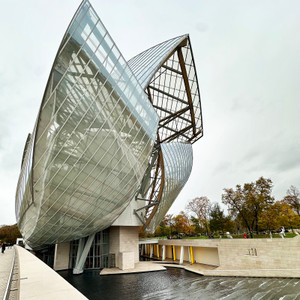
While its iconic glass-and-steel building by Jean Nouvel remains a defining chapter in its history, the Fondation’s identity has never been tied to a single structure. Instead, it is defined by a spirit of exploration and renewal — a quality that resonates strongly in its new surroundings at the crossroads of Paris’s artistic heritage and contemporary energy.
Today, the Fondation Cartier pour l’Art Contemporain stands firmly embedded within the cultural heart of Paris, continuing to shape conversations around art, architecture, and creativity while remaining open to new forms, voices, and ideas.


