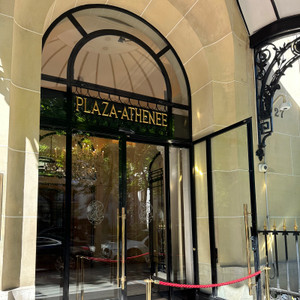


Hermès Paris – A Legacy of Luxury & Parisian Sophistication
Paris Heritage • Leather Goods • Fashion • Silk • Jewellery • Art of Living
Hermès Paris – A Legacy of Luxury & Parisian Sophistication
Founded in Paris in 1837, Hermès has evolved from its equestrian and saddlery origins into one of France’s most distinctive luxury Maisons. Leather craftsmanship remains fundamental, expressed through celebrated bags and small leather goods, yet the Hermès universe reaches much further: women’s and men’s ready-to-wear, silk carrés and ties, shoes, jewellery, watches, fragrance, beauty and objects for the home. Across these métiers, the House is united by an enduring attention to material, function, colour and handcraft — qualities that continue to give Hermès its unmistakably refined Parisian character.
Explore the World of Hermès
Hermès Paris • Hermès France • French luxury house • Paris luxury fashion • Hermès heritage • founded in Paris 1837 • Thierry Hermès • Hermès Faubourg Saint-Honoré • 24 Rue du Faubourg Saint-Honoré • Hermès George V • Hermès Sèvres • Paris luxury shopping • French craftsmanship • Parisian craftsmanship • equestrian heritage • saddlery heritage • Hermès métiers • Hermès leather craftsmanship • Hermès leather goods • Hermès bags • Birkin • Kelly • Constance • Picotin • Hermès small leather goods • Hermès women • Hermès women’s fashion • women’s ready-to-wear • Hermès men • Hermès men’s fashion • men’s ready-to-wear • Hermès silk • silk carré • Hermès scarves • Hermès twillies • Hermès ties • Hermès accessories • Hermès belts • Hermès shoes • Hermès jewellery • Hermès fine jewellery • Hermès enamel bracelets • Chaîne d’Ancre • Hermès watches • Hermès timepieces • Hermès fragrance • Hermès perfume • Hermès beauty • Hermès home • Hermès tableware • Hermès textiles • Hermès decorative objects • Hermès art of living • petit h • exceptional materials • leather artisans • hand craftsmanship • timeless French luxury • quiet luxury Paris • Paris fashion heritage • luxury gifts Paris • iconic Paris fashion houses • Rue du Faubourg Saint-Honoré shopping • Avenue George V shopping • Saint-Germain shopping • Hermès boutique Paris • Hermès shopping Paris • Hermès Paris guide • luxury shopping guide Paris • TLC Paris Hermès • TLC Paris luxury shopping
TLC Paris tip: Hermès is best understood as a collection of métiers rather than simply a handbag house. Look at the relationship between leather, silk, clothing, jewellery and objects for the home: the same ideas of material, usefulness, proportion and longevity appear again and again in very different forms. For a first Hermès experience in Paris, the historic Faubourg Saint-Honoré address gives the strongest sense of the Maison’s origins and its continuing connection to the city.
Highlights – The World of Hermès
Paris Heritage Since 1837
Founded by Thierry Hermès in Paris, the Maison grew from equestrian craftsmanship into a global expression of French luxury while preserving its artisan roots.
Leather & House Icons
Bags and small leather goods showcase exceptional materials, precise construction and designs created for function as much as recognition.
Silk, Fashion & Accessories
Carrés, ready-to-wear, shoes, belts and jewellery bring colour, drawing, movement and craftsmanship across women’s and men’s wardrobes.
A Complete Art of Living
Watches, fragrance, beauty, tableware, textiles and objects for the home extend the Hermès approach far beyond fashion.
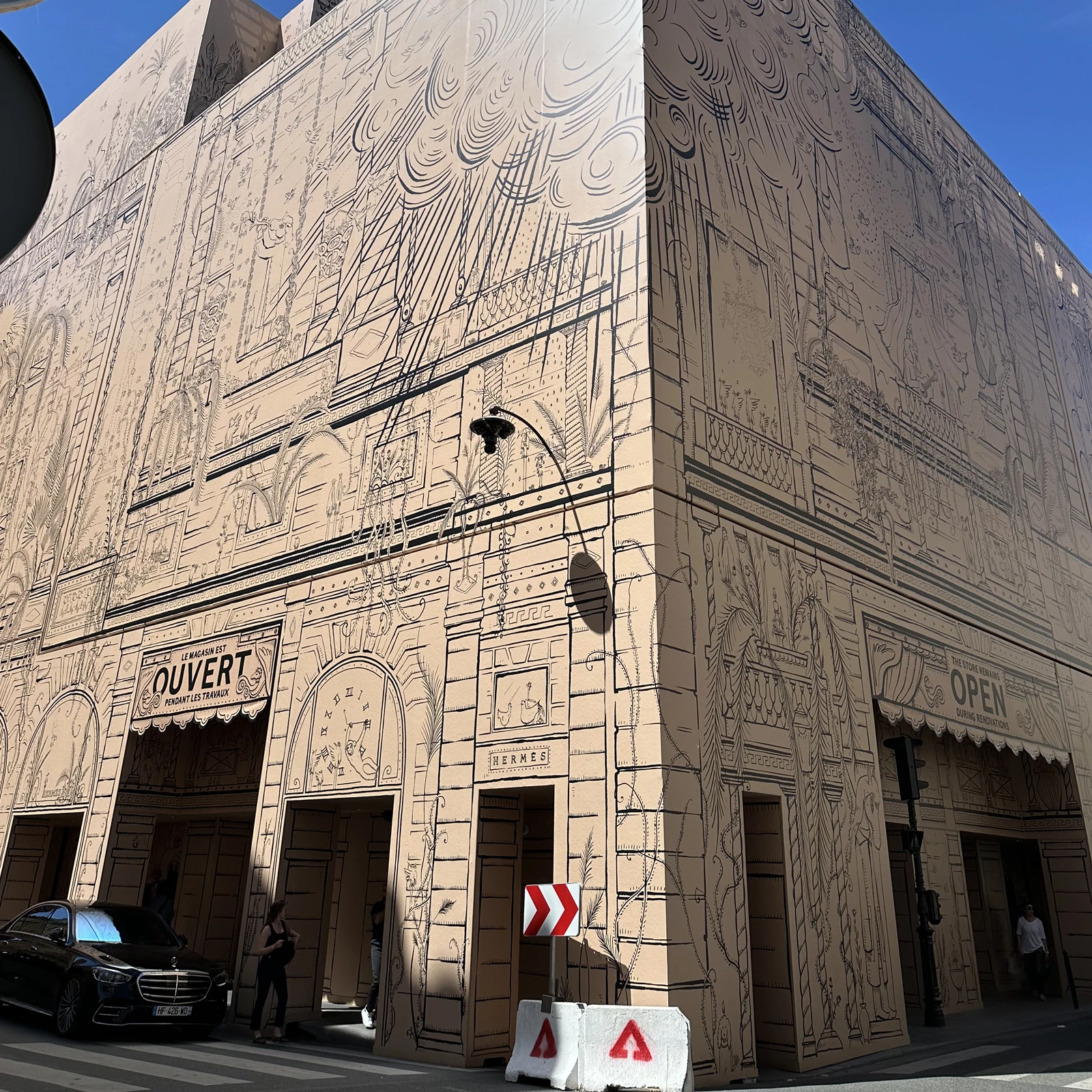
Hermès Boutiques in Paris & Map
Hermès has three principal Paris addresses, each offering a different setting in which to discover the Maison. Faubourg Saint-Honoré is the historic home, George V places the House within the Right Bank luxury district, while Sèvres brings Hermès to the Left Bank.
Faubourg Saint-Honoré
24 Rue du Faubourg Saint-Honoré
75008 Paris
George V
42 Avenue George V
75008 Paris
Sèvres
17 Rue de Sèvres
75006 Paris
Paris Collections
Fashion • Leather • Silk
Jewellery • Art of Living
From Saddlery to Hermès Today
Thierry Hermès founded the House in Paris in 1837, initially creating harnesses and equestrian equipment. Its mastery of leather and understanding of objects designed for movement established principles that remain central to Hermès today.
As modes of travel and dress evolved, the Maison expanded into leather goods, fashion, silk and an increasingly broad range of métiers without abandoning its emphasis on utility, material and craftsmanship.
Bags, Leather Goods & Craftsmanship
Leather is one of the defining Hermès métiers. Handbags, travel pieces and small leather goods demonstrate the importance the Maison places on material selection, construction, stitching, hardware and finishing.
Kelly, Birkin, Constance and other bag families have become internationally recognised, but the wider leather collection reveals an equally important philosophy: objects should be functional, durable and capable of developing character through use.
Silk, Women’s & Men’s Fashion
The Hermès silk carré has become a signature of the House, bringing together illustration, colour and textile craftsmanship. Twillies, ties and pocket squares extend the silk tradition into different scales and wardrobes.
Women’s and men’s ready-to-wear, shoes and accessories translate the Maison’s interest in movement, proportion and exceptional materials into complete silhouettes.
Jewellery, Watches, Fragrance & Beauty
Hermès jewellery ranges from graphic fashion pieces and enamel to fine jewellery, while watches explore time through the Maison’s distinctive approach to design and craft.
Fragrance and beauty introduce another sensory dimension, translating the Hermès world through scent, colour, texture and carefully designed objects.
Home, Objects & Art of Living
The Hermès home universe encompasses tableware, blankets, textiles, furniture and decorative objects, extending the Maison’s philosophy into everyday spaces.
Petit h adds a particularly creative perspective, transforming materials and elements from the wider Hermès world into unexpected objects and new expressions of craftsmanship.
Visiting Hermès in Paris
For a first visit, Faubourg Saint-Honoré offers the strongest connection to Hermès history. George V is convenient when exploring the Golden Triangle, while Sèvres provides a Left Bank alternative close to Saint-Germain.
Collections, product availability and boutique services can vary. Check the official Hermès store finder before making a special journey, particularly when looking for a specific category or service.
TLC Paris tip: If you have time, experience Hermès through more than one métier. Leather shows the Maison’s construction and durability, silk reveals its extraordinary relationship with colour and drawing, while fashion, jewellery and objects demonstrate how those same ideas move into completely different forms. For the strongest sense of Hermès history in Paris, begin at Faubourg Saint-Honoré.
French Craftsmanship, Leather Goods, Silk, Women’s & Men’s Fashion, Shoes, Jewellery, Watches & Home
Hermès Paris – Heritage, Craftsmanship & the Complete Maison
Founded in Paris in 1837 as a harness-making workshop, Hermès has developed into a complete Maison spanning leather goods, silk, women’s and men’s fashion, shoes, jewellery, watches, fragrance, beauty, equestrian objects and the home. Discover Hermès through three Paris boutiques: Faubourg Saint-Honoré, Sèvres and George V.
Best For
French craftsmanship, leather, silk, fashion, accessories, gifts, equestrian heritage & the complete Hermès universe
French craftsmanship, leather, silk, fashion, accessories, gifts, equestrian heritage & the complete Hermès universe
Leather & Bags
Birkin, Kelly, Constance, Evelyne, Picotin, travel pieces, wallets & small leather goods
Birkin, Kelly, Constance, Evelyne, Picotin, travel pieces, wallets & small leather goods
Women & Men
Ready-to-wear, coats, jackets, knitwear, dresses, shirts, trousers, shoes & accessories
Ready-to-wear, coats, jackets, knitwear, dresses, shirts, trousers, shoes & accessories
Beyond Fashion
Silk, jewellery, watches, fragrance, beauty, equestrian pieces, furniture, textiles & tableware
Silk, jewellery, watches, fragrance, beauty, equestrian pieces, furniture, textiles & tableware
Faubourg
24 Rue du Faubourg Saint-Honoré, 75008 — the historic Hermès address, established here since 1880
24 Rue du Faubourg Saint-Honoré, 75008 — the historic Hermès address, established here since 1880
Sèvres
17 Rue de Sèvres, 75006 — the Left Bank boutique near Le Bon Marché & Saint-Germain-des-Prés
17 Rue de Sèvres, 75006 — the Left Bank boutique near Le Bon Marché & Saint-Germain-des-Prés
George V
42 Avenue George V, 75008 — convenient for the Golden Triangle, Champs-Élysées & Avenue Montaigne
42 Avenue George V, 75008 — convenient for the Golden Triangle, Champs-Élysées & Avenue Montaigne
First Visit?
Start with 24 Faubourg for heritage; choose Sèvres for the Left Bank or George V for a Golden Triangle itinerary
Start with 24 Faubourg for heritage; choose Sèvres for the Left Bank or George V for a Golden Triangle itinerary
Visitor Highlights
Hermès · Hermès Paris · Hermès France · Hermès Boutiques Paris · Hermès Stores Paris · Hermès Paris Addresses · Where to Buy Hermès in Paris · Which Hermès Store Paris · Hermès Faubourg Saint-Honoré · Hermès Sèvres · Hermès George V · 24 Rue du Faubourg Saint-Honoré · 17 Rue de Sèvres · 42 Avenue George V · Thierry Hermès · Hermès History · Hermès Heritage · French Craftsmanship · Savoir-Faire · Equestrian Heritage · Saddlery · Hermès Leather · Hermès Bags · Birkin · Kelly · Constance · Evelyne · Picotin · Luxury Handbags · Small Leather Goods · Hermès Silk · Hermès Scarves · Hermès Carré · Twillies · Hermès Women · Hermès Men · Women’s Fashion · Men’s Fashion · Luxury Ready-to-Wear · Hermès Shoes · Women’s Shoes · Men’s Shoes · Hermès Belts · Hermès Jewellery · Fine Jewellery · Hermès Watches · Hermès Fragrance · Hermès Beauty · Hermès Home · Hermès Maison · Hermès Tableware · Luxury Gifts · Gifts for Her · Gifts for Him · Paris Luxury Shopping · Rue du Faubourg Saint-Honoré · Rue de Sèvres · Saint-Germain-des-Prés · Avenue George V · Golden Triangle Paris · Champs-Élysées · Paris 6th Arrondissement · Paris 8th Arrondissement · Paris Fashion Guide · TLC Paris
TLC Paris Concierge note: Paris offers three distinct ways to discover Hermès. Choose Faubourg Saint-Honoré for the Maison’s history, Sèvres for a Left Bank day around Saint-Germain, or George V when exploring the Golden Triangle. Whichever you choose, look beyond the famous bags — silk, fashion, shoes, jewellery, watches and objects for the home reveal how broad the Hermès universe really is.
Hermès Paris – Heritage, Craftsmanship & the Complete Maison
Founded in Paris in 1837 by Thierry Hermès, Hermès began as a harness-making workshop serving a world of horses and carriages. Nearly two centuries later, the Maison has expanded across leather goods, silk, women’s and men’s fashion, shoes, jewellery, watches, fragrance, beauty, equestrian objects and the home while maintaining an unusually strong connection to craftsmanship and materials.
For visitors to Paris, Hermès is much broader than its most famous handbags. Exploring the Maison means discovering how its original expertise in saddlery and leatherworking developed into a complete creative universe — one in which function, construction, colour and the skill of the artisan remain central.
What Is Hermès Known For?
Hermès is perhaps most immediately recognised for leather goods and silk. Bags including the Birkin and Kelly have become internationally known, while the Hermès carré has transformed the silk scarf into a continually evolving canvas for illustration, colour and storytelling.
But these icons represent only part of the Maison. Hermès today creates complete wardrobes and collections for women and men alongside footwear, belts, jewellery, watches, fragrance, beauty, equestrian equipment, furniture, textiles, tableware and decorative objects.
Hermès Bags & Leather Goods
The Maison’s expertise in leather developed directly from its equestrian origins. Harnesses and saddles required materials and construction capable of combining strength, flexibility and precision, and that knowledge later informed luggage, handbags and small leather goods.
The Birkin and Kelly are the best-known examples, but Hermès has developed many other bag families, including the Constance, Evelyne and Picotin, alongside shoulder bags, crossbody styles, totes, clutches, travel pieces, wallets and small leather goods.
Specific bags, sizes, colours and leathers should not be assumed to be available during a boutique visit. For a fuller introduction to Hermès, it is worth exploring different designs and materials rather than approaching the Maison through one model alone.
Hermès Silk & Accessories
Introduced in 1937, the Hermès silk carré became another defining expression of the House. New designs continually reinterpret subjects ranging from equestrian culture and nature to architecture, fantasy and graphic art.
Scarves, twillies, shawls and other silk pieces sit within a much broader accessories universe that can include belts, hats, gloves, jewellery, eyewear and small leather goods. These categories also make Hermès particularly interesting for visitors searching for a luxury gift in Paris.
Hermès Fashion for Women & Men
Hermès creates complete ready-to-wear collections for women and men. Jackets, coats, dresses, trousers, shirts, knitwear and seasonal pieces frequently place materials and construction ahead of conspicuous branding.
The same philosophy extends to footwear. Boots, sandals, loafers, sneakers and other styles can range from discreet everyday designs to pieces incorporating recognisable Hermès hardware and equestrian references.
Jewellery, Watches, Fragrance & Beauty
The Hermès universe extends into fine jewellery, fashion jewellery, watches, fragrance and beauty. Many jewellery designs reinterpret chains, buckles and other forms connected with the Maison’s equestrian vocabulary, while watchmaking brings another form of precision craftsmanship into the collection.
Fragrance provides a very different way to discover Hermès, with scents for women and men as well as the Hermessence collection and home fragrances. Beauty has expanded the Maison further through colour and cosmetic objects.
Hermès Maison – Objects for the Home
Hermès also applies its craftsmanship to the home through furniture, lighting, textiles, blankets, cushions, tableware and decorative objects. Materials including leather, wood, porcelain and textiles allow the House’s interest in construction and colour to move beyond fashion.
For visitors who already know Hermès through handbags or scarves, exploring the home collections can reveal a very different side of the Maison and its approach to craftsmanship.
Where Are the Hermès Boutiques in Paris?
Hermès currently has three boutiques in Paris, each positioned in a different part of the city:
Hermès Paris Faubourg Saint-Honoré – 24 Rue du Faubourg Saint-Honoré, 75008
The historic and emblematic Paris address. Hermès has been established here since 1880, when Charles-Émile Hermès moved the family workshops and opened a store for bespoke saddles and harnesses. Discover more in our guide to Hermès Faubourg Saint-Honoré.
Hermès Paris Sèvres – 17 Rue de Sèvres, 75006
The Left Bank Hermès address places the Maison close to Rue de Sèvres, Le Bon Marché and the wider Saint-Germain-des-Prés district.
Hermès Paris George V – 42 Avenue George V, 75008
This Right Bank boutique sits within the Golden Triangle, close to the Champs-Élysées and Avenue George V. Its location makes it particularly convenient when exploring the luxury-shopping district around George V, Avenue Montaigne and the Champs-Élysées.
Which Hermès Boutique Should You Visit in Paris?
If this is your first encounter with Hermès and the history of the House matters to you, 24 Faubourg Saint-Honoré is the natural starting point. It is the address most closely connected with the Maison’s heritage and has been part of the Hermès story since 1880.
For a day on the Left Bank, 17 Rue de Sèvres fits naturally into a Saint-Germain itinerary. Nearby, Café de Flore, Les Deux Magots and Boulevard Saint-Germain make it easy to build the boutique into a wider exploration of the neighbourhood.
For visitors already shopping around the Golden Triangle, 42 Avenue George V is the most convenient of the three. From here, the Champs-Élysées, Arc de Triomphe, Avenue Montaigne and the Seine are all accessible within the surrounding district.
Is Hermès Worth Visiting If You Are Not Buying a Birkin or Kelly?
Absolutely. Focusing exclusively on Birkin and Kelly misses much of what makes Hermès unusual. Silk, ready-to-wear, shoes, jewellery, watches, fragrance, equestrian pieces and home objects all reveal different aspects of the same approach to materials and craftsmanship.
For a first visit, explore several departments and look for the recurring details: leather construction, saddle stitching, buckles, chains, equestrian references, colour and the relationship between beauty and practical use.
Hermès & Paris
Paris is more than simply another retail destination for Hermès. The Maison was founded here in 1837, and its three current Paris boutiques create three quite different ways to encounter it: the historic Faubourg Saint-Honoré address, the Left Bank setting of Sèvres and the Golden Triangle location on Avenue George V.
TLC Paris tip: Choose your Hermès boutique partly according to the neighbourhood you want to explore. Faubourg Saint-Honoré works beautifully with the Madeleine and Place de la Concorde; Sèvres with Saint-Germain and Le Bon Marché; and George V with the Golden Triangle and Champs-Élysées. Hermès can therefore become part of the day rather than simply a single shopping stop.